

A friend of mine proved even more powerful than the person elected to represent me in the House, securing us a tour of 1600 Pennsylvania Avenue. I would thank him by name, but he knows who he is, and we public servants seek no glory. We leave that to them in Congress.
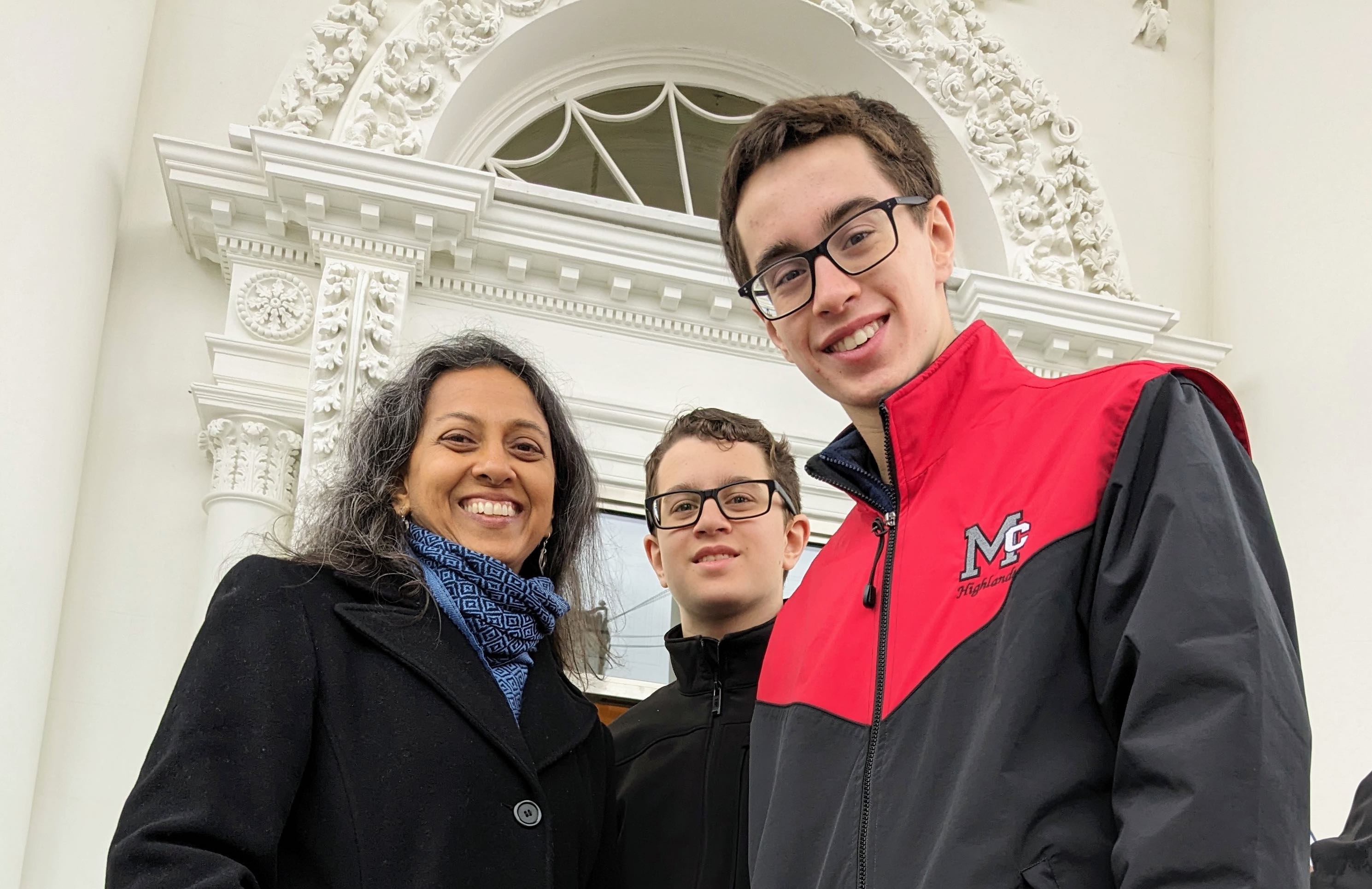
Not even the wintry cold rain could diminish how special it felt to be guests in the president’s home as we took a self-guided tour of the East Wing this morning.
Just to clear one thing up: it isn’t true that the East Wing is named for me. Nor I for it. Same holds for the many rooms and corridors we passed through that bear my family name (East Wing Lobby, East Colonnade, East Garden Room, etc.) nor the Interstate we drove along to get there. No interstate is named for my family.
What is true, however, is that my grandfather—one Swepson Anchous East, Jr.—worked as a plasterer in the White House through several administrations. He wore his fingertips smooth in the process, wore them so badly that the government nearly yanked his security clearance when they couldn’t get a print off him.
It was a lot of work, plastering over the hidden microphones installed by earlier “former guys.”

The thing about visiting the East Wing is that it’s a functional area. Presidents use the Blue Room—one of three oval-shaped rooms in the White House—to receive guests; small receptions fill the Green Room, furnished like a parlor; the State Dining Room will seat 130 guests for lunch or dinner.
The East Room is the largest room in the presidential home. Scene of weddings, ceremonies, and press conferences, it is the East Room where President Obama announced to the world the demise of Osama bin Laden.
It’s the carpet behind him that I recall, blood red and trimmed in gold. Stark, contrasting against the light marble floor, it lent gravitas to the Commander in Chief stalking the podium with the presidential seal.
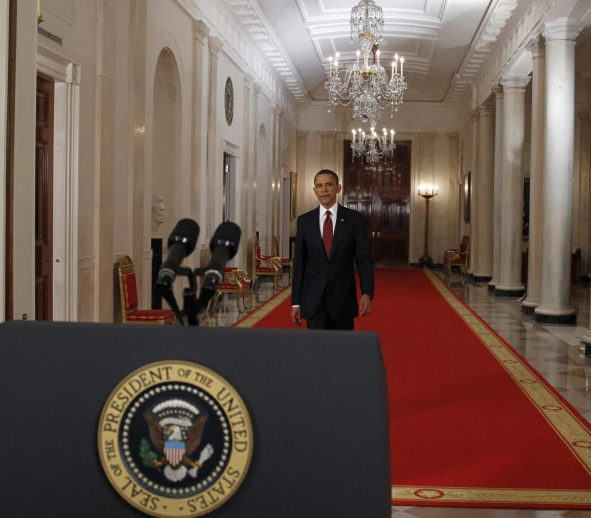
During today’s tour, that carpet was half rolled up. Same for carpets in the Red Room and Blue Room. Formal furniture was pushed together in clutches, ready to be moved back into place when the tour hours ended.
I liked this informality. It made the place feel like home, as if Joe himself, or Barry or George or Bill before him, might walk past with their ties unknotted* and pulled loose after a hard day’s work.
Walking through that House, a house my grandfather served and that serves all the people of the United States, felt like going home.

*One day, the list will not include only men.
##


 Ben East Books
Leave a comment