Reflections on citizenship, democracy, literature, and contemporary American life. Serious book reviews, social satire, and comedy not for everyone.

Ben East’s nonfiction debut recounts how JFK’s bold experiment shaped diplomatic careers and influenced modern American diplomacy.
The figures highlighted here tracked looted antiquities after the invasion of Iraq, re-established diplomacy in Afghanistan after 9/11, and secured village infrastructure while war raged in Vietnam. As hostages in Iran, they maintained diplomatic discipline to bridge a volatile cultural divide. These are individuals of deep courage and conviction, whether integrating a southern U.S. high school or finding comfort in African village beliefs to cope with personal tragedy.
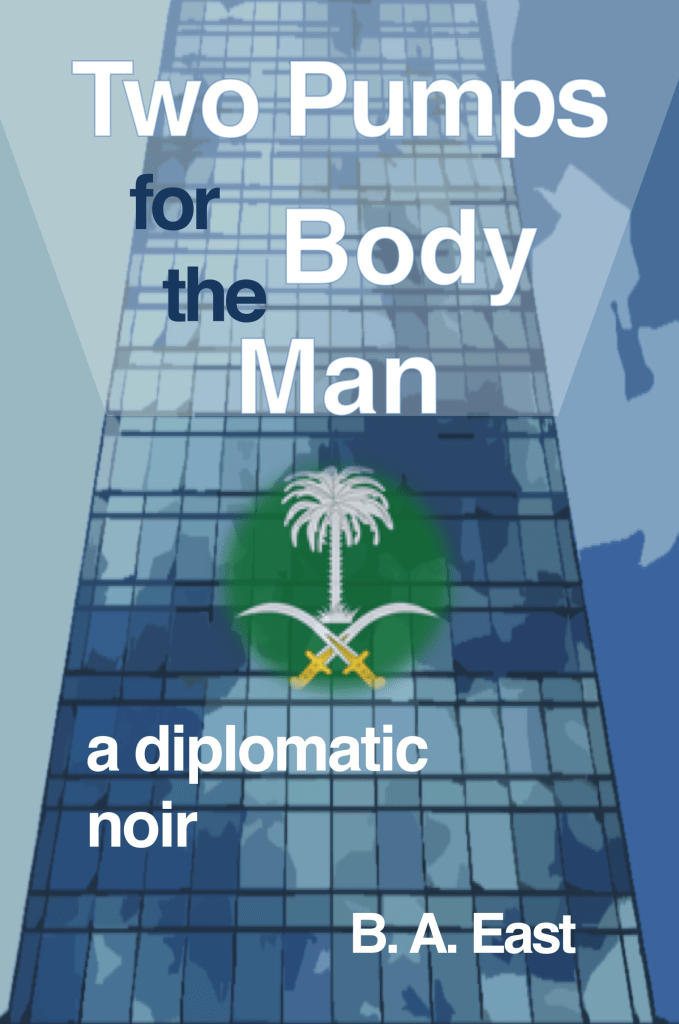
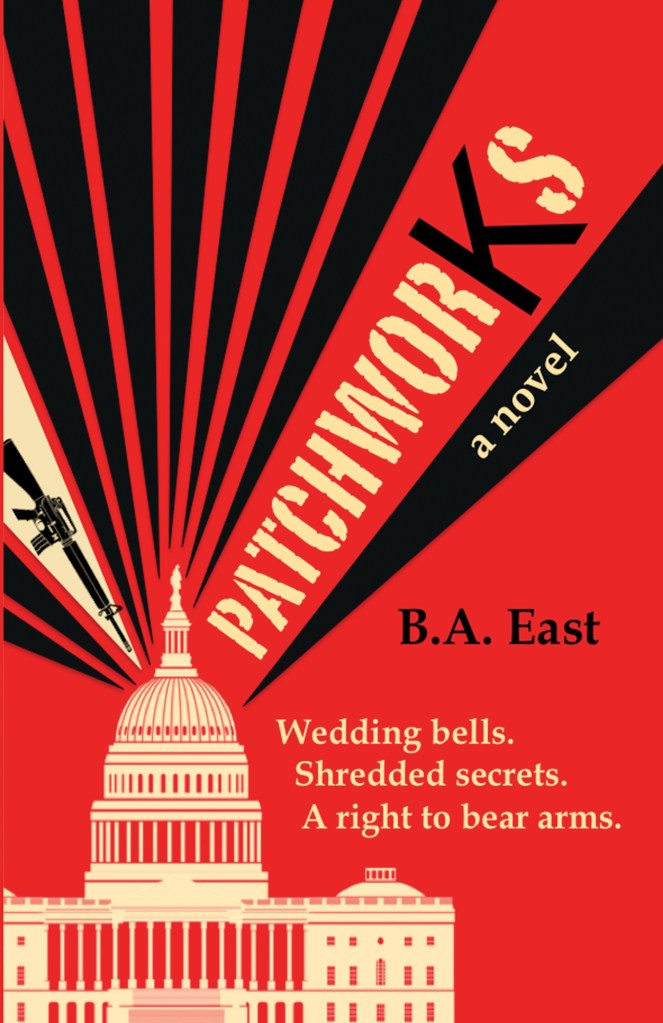
Read, Listen, Watch
-
Silicon (Silly-Con) Valley is a true money furnace. Their products don’t deliver at the speed of human intelligence, proving what unimaginative dunces they really are.
-
Time to call our realtor about that apartment I plan to rent in this strange new world where my son goes off to college and I write letters to myself.
-
I can’t recommend highly enough the insights shared by Henry Rausch, who successfully reached 10,000 sales of his self-published debut nonfiction book.
-
Test post Knocking off the rust A good sign Writing privately and Counting words, counting days Towards a purpose.
-
This episode of the SoftPower/FulStories podcast features John Limbert’s experiences as a Peace Corps volunteer and diplomat in Iran.
-
You hear storms like this chasing down your chimney and beating on your rooftop. Cats get sucked into the swirl and dogs bark after them.
-
“Let us hope that other nations will mobilize the spirit and energies and skill of their people in some form of Peace Corps.” -JFK
-
Kaffen writes from authority, having attended seven World Cup gatherings hosted by Mexico, the United States, France, South Africa, Brazil, Russia, and Qatar.

