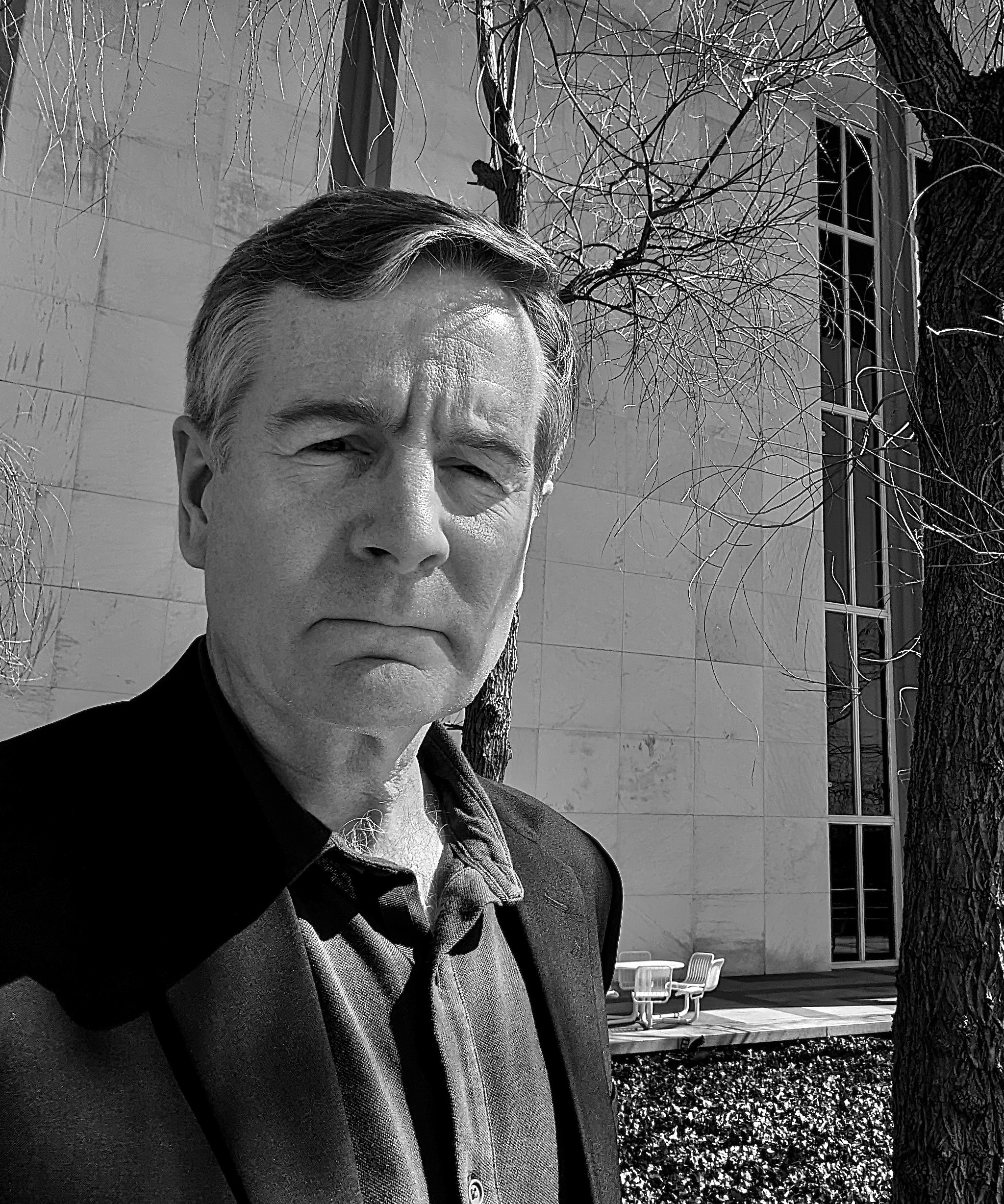
Climate change affects us all and fortunately there are writers and activists, naturalists and scientists, politicians and pastors doing something about it.
Mike Tidwell’s new book, The Lost Trees of Willow Avenue, provides a glimpse into one DC neighborhood’s effort to preserve their community, and the natural setting that defines it, amid dramatically changing weather patterns.
My review of the book appears at Peace Corps Worldwide, or read the sample below.
Reading The Lost Trees of Willow Avenue feels like strolling the hometown with an affable neighbor, one filled with deep respect for the natural world and a pragmatic concern for its demise. Along the way we meet other neighbors, including state and national political figures; students, scientists, arborists, and public works personnel; a farmer, a midwife, the local pastor. Despite dire news regarding humanity’s relationship with nature, the company makes for an exceptional walk.
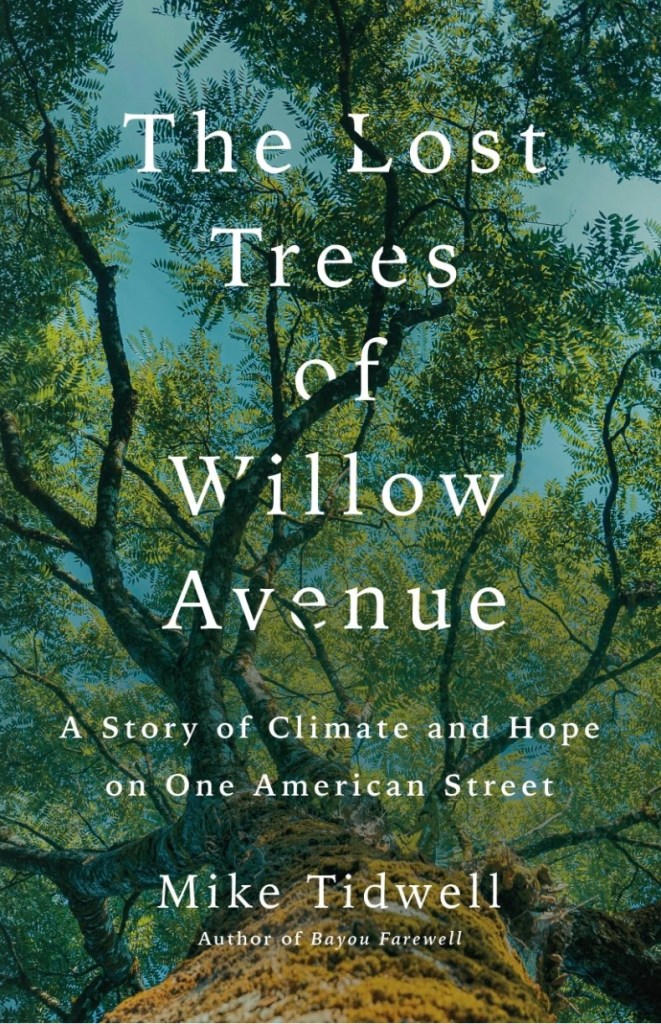
On one level Mike Tidwell recounts a single year—2023—in a Washington, DC suburb whose residents cope with the local effects of global climate change. These are the tombstone stumps of new-fallen trees, the sudden gaps in rich canopy across which the wind now blows “like human breath over the tops of empty bottles,” the flooding school basement and sidewalk berm installed as a countermeasure against the coming torrents.
On another level, the narrative follows a much older story. It begins with an oak whose acorn took hold in the 1870s and which lived long enough to witness today’s green energy revolution. But that oak, fresh victim of changing weather patterns, serves as Tidwell’s paradigm for how the revolution has come too late. Damaged by extreme weather, the Miller oak is removed, which disrupts the cooling effect of shade on the street, decreases carbon absorption, and increases trapped atmospheric heat.
Tidwell’s urgent question is: if green energy’s too late to stop future extreme weather, how do we speed action along and clean the atmosphere now?
##
 Ben East Books
Leave a comment