Not your usual Peace Corps-to-Foreign Service path, this rendering of an ambassador’s tale twists amid my own fascination with the era’s social influences. Franklin Pierce “Pancho” Huddle’s full profile is scheduled for publication in 2026 in Profiles in Service.
Nervous Breakdown
The summer of ’65 found Pancho Huddle thumbing his way through Europe, Turkey, and Iran on a shoestring. At home in California the following year, he accepted a Peace Corps assignment to Ethiopia, filled two suitcases with all he owned, and headed east for training.
That June, NASA reached the moon with Surveyor I. Back on Earth, the U.S. military was bombing Hanoi. Huddle settled in at Harvard with 100 other Peace Corps trainees, part of an agency record. Five years after its inception, the program had ballooned to over 15,000 active volunteers and trainees—more than at any time before or since.

A breeze carried the scent of fresh-cut grass through the classroom windows where Huddle prepared to teach university English in Addis Ababa. Peace Corps Amharic training, he thought, was the pits: compared to his graduate linguistics courses at Columbia and his undergrad work in Egyptian Arabic and bilingualism at Brown, the agency was setting him up for failure.
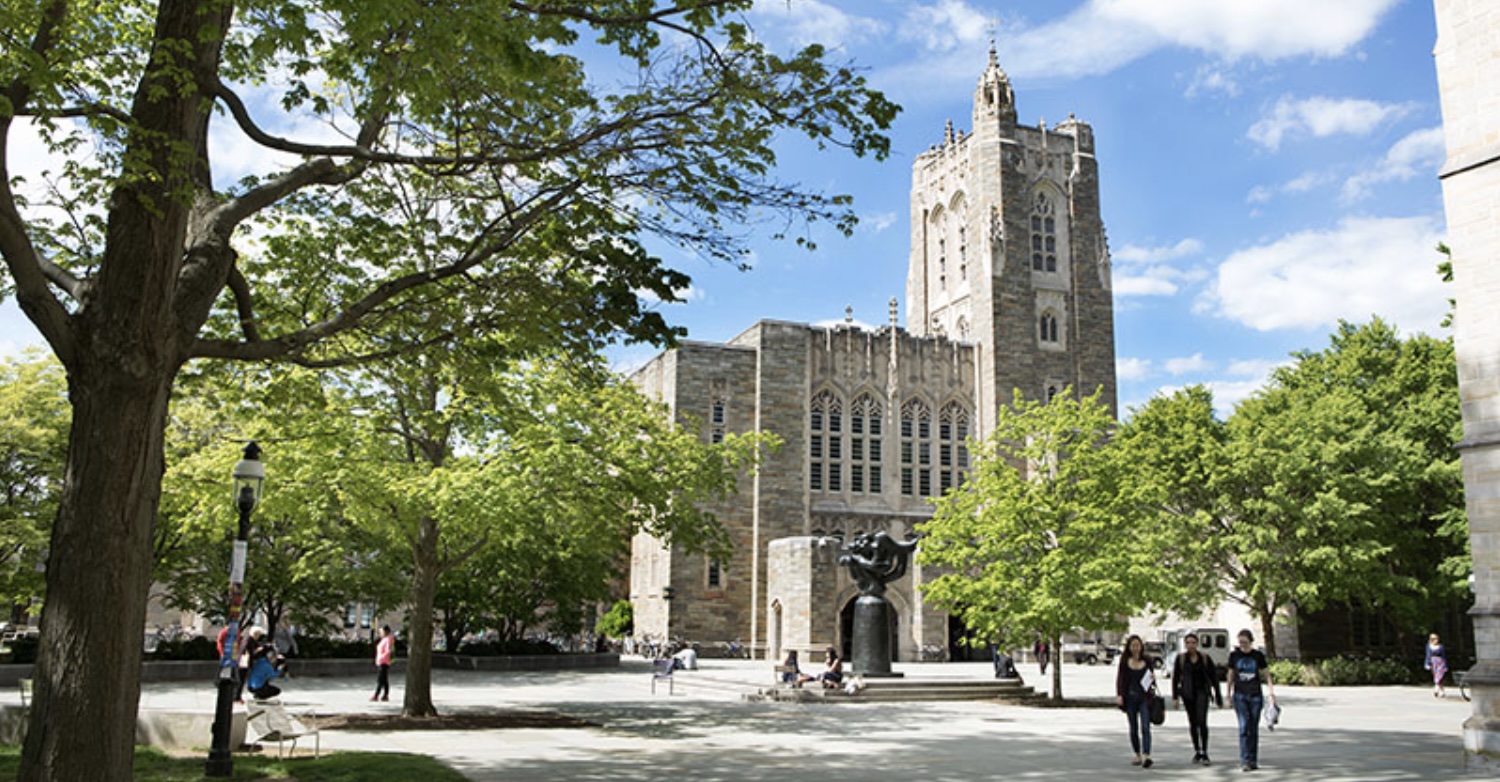
When they announced a need for Arabist recruits to Libya, Huddle raised his hand and off he went to Princeton.
The setting put him in an odd mental frame, preparing for remote hardship amid the faux medieval architecture and elaborate eating clubs of an Ivy League campus.
His psyche was stressed in other ways, too. The shrink roasted the trainees, set them to roasting each other. In one session, the trainees labeled Huddle a know-it-all. When he disputed this, his colleagues grew apologetic. The shrink directed loaded questions at the others: everyone had something someone else could go after, a process that fomented animosity and discord.
Also making people nervous that summer: anti-war protesters outside the U.S. Embassy in London. At UT-Austin, Charles Whitman opened fire, killing fourteen and injuring thirty-two. In Huddle’s lane: seven men in Egypt were sentenced to death for agitating against Egyptian President Gamal Abdel Nasser.
America was nine months into the draft when Huddle lined up for his Peace Corps physical alongside Vietnam-bound conscripts in downtown Philly*. The Mamas & the Papas were climbing the charts with California Dreamin’ alongside Barry Sadler and The Ballad of the Green Berets.
The specimen ahead of Huddle bent his knees when he reached the scale. The orderly, eyes on the numbers, missed the dip and 4F-ed the draftee as obese.
Another orderly yanked Huddle for flat feet.
“I’m here for Peace Corps!”
The orderly shrugged and changed his mind. “Good enough for Peace Corps, I guess.”
Dirty Water
A week before departure the Peace Corps hit Huddle with a surprise. Training fewer than two dozen volunteers wasn’t cost-effective. The Libyans had jobs for just fifteen. The Peace Corps argued financial efficiency and the Libyans didn’t budge. The Peace Corps blinked and sent Huddle to his third training group in as many months.
At his alma mater in Providence, Huddle spent a week as the lone Arabist among a cohort of architects and TEFL teachers trained in French. Tunisia’s education system demanded instruction in the colonial language and the cohort had studied French six hours a day, every day, for ten weeks. Huddle reminded his trainers, “I don’t speak French.”
They waved him off. “You’ll be teaching English.”
Tunisian President Habib Bourgiba sniffed Egyptian meddling in his provinces and on October 3rd severed diplomatic relations with the United Arab Republic (now Egypt). The same month, Huddle arrived in hot, dusty Medenine, an anti-Bourgiba, pro-Nasser provincial capital.

He settled into his dorm, the thermometer at 110. A rainstorm flushed the temps slightly but flies still covered everything, including Huddle’s face. The busted dorm windows faced the desert wind, a gale mixing dust and sand with bathroom overflow across the hall, forming a sticky paste on the floor.
A shortwave radio tuned to VOA played the Shondells’ Dirty Water.
Secret Agent Man
Huddle’s Arabic, a banned classroom language, stirred trouble in a town crawling with pro-Egyptian sentiment. Caught between official Tunisian Francophilia loyal to Borguiba and the majority in Medenine favoring Egypt, Huddle felt like a real nowhere man.
He trudged through the heat to the school, a place that provided his lone joy: his students. They were smart and fun and found in Huddle a relatable foreigner, his fluent Arabic music to their ears.
Like the Pied Piper of Hamlin, dozens and even hundreds of people would follow me downtown. Never could pay for a meal—pomegranates and camel head soup brought my weight from 195 to 155.
But the principal didn’t like him, thought him a salty American dropped in by Egyptian intelligence. He turned up the heat, demanding, “You’ve got to teach in French.”
“I told you and I told the Peace Corps, I don’t know a word of French.”
“You are a spy of the spies of Egypt!” the principal replied in Arabic.
On the short-wave, Johnny Rivers jangled out Secret Agent Man.
The principal took away Huddle’s classes and phoned his higher ups. Huddle made his own call, telling the Peace Corps he needed out. It was an unwinnable war and he’d lost faith in the whole idea. They begrudgingly brought him to Tunis and offered a teaching gig there. Huddle knew BS when he sniffed it. Same problem: No French!
All parties agreed on a truce. Huddle could train up for an assignment to Morocco or find employment elsewhere. Huddle chose door number two and mustered out.
But he wasn’t done with government work, and the government wasn’t done with him. He took and passed the Foreign Service Exam in Saudi Arabia, where he’d found work for Raytheon teaching English to Bedouins recruited to work as Hawk missile mechanics.
Eighteen months after Huddle handed in his walking papers, the Peace Corps hired him back as assistant director, then director, of Arabic training. He filled the role for two summers—1968 chaotic with assassinations and war protests, ‘69 a historic lunar landing. He wrote the materials, taught the grammar, and felt sorry for the volunteers headed for trouble in Libya.
Huddle didn’t pass his first attempt at the Foreign Service orals, his saucy rejoinder about quitting Vietnam landing poorly with the assessors, but passed the exams in ’73. He finished his PhD and joined State in ’75, with tours through 9/11 in DC, Nepal, Thailand—where he met his wife, Pom. Principal Officer in Cebu, the Philippines, Chargé in Burma, Consul General in Bombay—when he and Pom boarded an ill-fated 767—then Toronto.

Soon after 9/11 he was sworn in as ambassador and rushed to Tajikistan to stand up a platform from which to deploy secret operations, arms, and money into Afghanistan.
Read about his efforts now in Huddle’s ADST Oral History.
NOTE: Accusations of Peace Corps involvement in espionage are not to be taken lightly. Peace Corps maintains a strict prohibition against such activity at all levels, and readers can review their policy here.
*The U.S. military build-up in Vietnam required draft calls that surged from 112,000 in ’64 to 230,000 in ’65, and peaked in ’66 at 382,000.
##
##


 Ben East Books
Leave a comment