
Distinguished Careers in U.S. Diplomacy
I’m sharing sketches of the U.S. diplomats featured in Profiles in Service (Arlington Hall Press, 2026) every Tuesday; later in the week I’ll share a related moment linking Peace Corps service to diplomatic efforts, some simple, some strange, some extraordinary.
RPCVs Among the Hostages
Iran hostage crisis survivors emerged from the ADST archives, one after another, ethereal forms rising from the past and taking shape in real time. They parted the fog of youth and my first real awareness of world events: waiting in gas lines in the back seat of the family car; yellow ribbons on trees around town; stern-faced news anchors against a backdrop of mob rule. Seventies Kodachrome turned flesh and blood.

Four of the fifty-two Americans held hostage in Tehran for 444 days had served as Peace Corps Volunteers: Victor Tomseth, John Limbert, Michael Metrinko, and Barry Rosen.
They represented the besieged embassy’s sum total of American diplomats fluent in Persian, a skill directly attributable to their Peace Corps service. Limbert, Metrinko, and Rosen learned it while serving in Iran. Though Tomseth had served in Nepal with fellow Nepal III volunteer Peter Tomsen, he credits his linguistic studies there to his aptitude for picking up new languages.
Boredom
Tomseth was at the foreign ministry in Tehran when hundreds of armed students attacked the U.S. Embassy on November 4, 1979.
Known as the Students Following the Imam’s Line, the attackers took more than sixty American diplomats and military personnel hostage. For most, the crisis would last 444 days, the darkest period in U.S. diplomatic history.
The great challenge of going through [the Iran hostage crisis] was the boredom, answering the question that you woke up with every morning, “How do I get through THIS day,” and thinking up ways to fill the time. That Peace Corps experience in Nepal, where there wasn’t a lot of external stimulation to entertain you, where you had to think of things to stay busy and keep occupied, that probably was more relevant preparation for that particular situation than anything I had experienced in the Foreign Service.
Tomseth, a senior political advisor, was held with Charge d’ Affaires Bruce Laingen and Special Agent Mike Howland at the ministry for the duration: 15 months of sedentary routine. He drew on his Peace Corps service in Nepal—slow days in a 13th-century time capsule—to ward off the misery of sheer boredom.
Having earlier steeped himself in studying Nepali, he leveraged his aptitude for languages to keep his fellow captives apprised of the Persian news and to interact with ministry staff.
His Thai skills prevented eavesdropping by his minders as he worked the phone with a Thai cook to get a group of stranded American diplomats to safety.
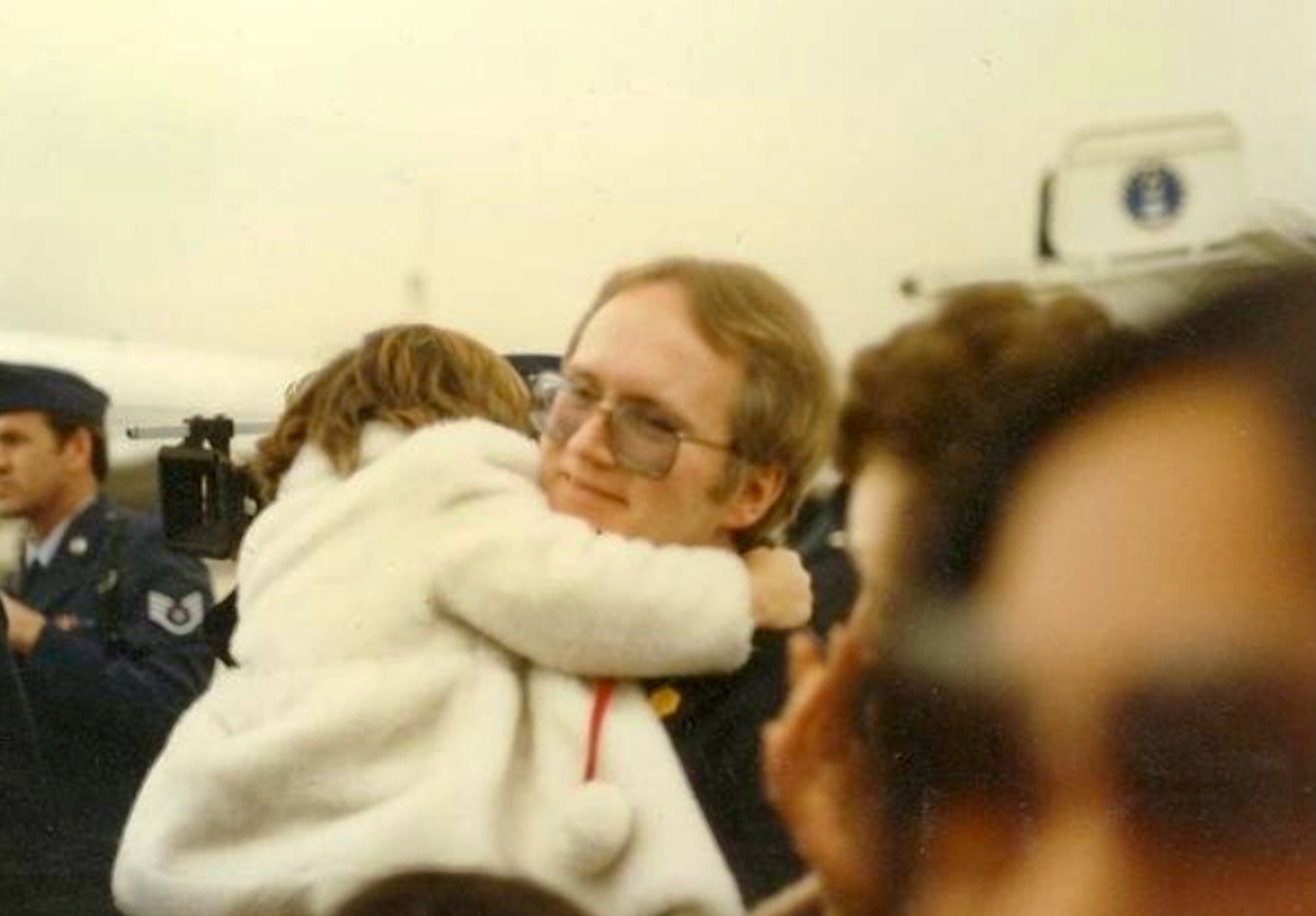
Years later, as ambassador to Laos, Tomseth would help thaw relations between Washington and Vientiane by impressing General Khamtai Siphandone, Prime Minister and Chairman of the Lao People’s Revolutionary Party, with his Lao skills.
Among all the diplomats invited to attend parts of the communist party congress, only Tomseth and his Vietnamese counterpart spoke Lao. Their interview with Lao media made for quite a scene: the representative of a one-time patron and the representative of a recent regime enemy standing side-by-side, commenting on the Lao communist party congress.
Read more from Tomseth’s oral history with the Association for Diplomatic Studies and Training.
##
 Ben East Books
Leave a comment