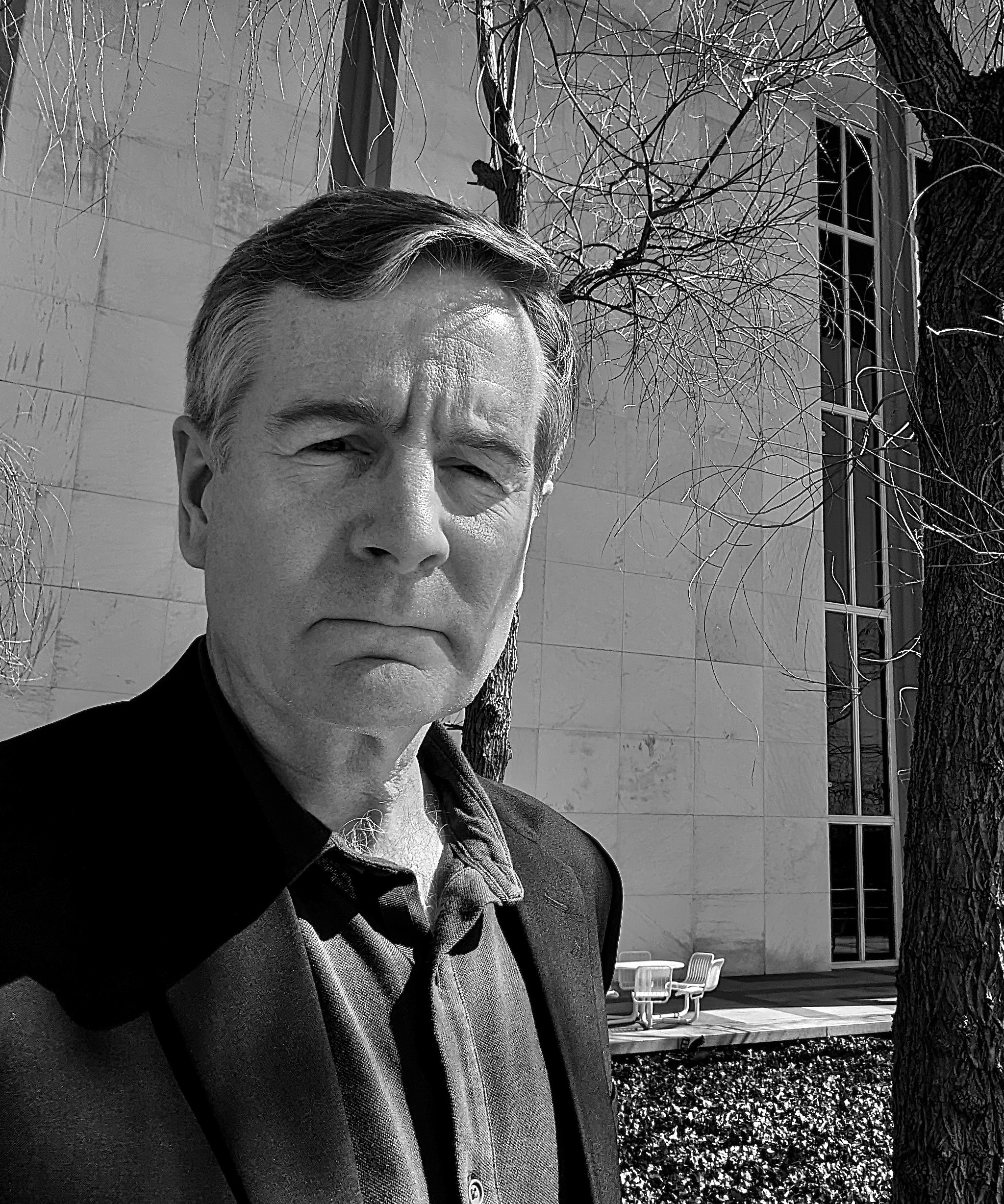
Early in my project interviewing diplomats for Profiles in Service: Peace Corps Roots in American Diplomacy, I talked to Frank Almaguer. His story breathed life into my fledgling effort to connect the Peace Corps experience with diplomatic engagement at the highest level.
Ground Truth
Such was the easygoing nature of British Honduras in the late Sixties that even as a lowly volunteer Frank Almaguer found himself riding in a Land Cruiser with the head of government. What brought Premier George Price into this strip of agricultural countryside on a Saturday morning? He was out with his driver, checking on the services he insisted his government deliver.
The farmers and laborers near Almaguer’s outpost lived hard, rustic lives. They choked on smoke from the fires burning undergrowth in the sugarcane fields, dodged deadly snakes while cutting cane with machetes, lined up at the pump to bring water into their homes. The people of the Orange Walk District remained mostly detached from world affairs, more superstitious than pragmatic. Where Almaguer heard BBC announce Neil Armstrong’s lunar landing, the farmers heard the cause of drought ruining their crops: human meddling with the natural order.
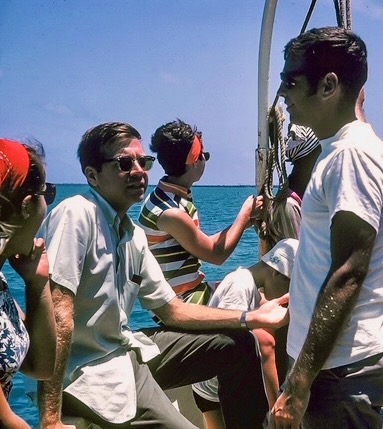
Premier Price, a reclusive statesman, said little during their two-hour drives to Belize City. Price must have seen in Almaguer the same qualities he himself possessed: a commitment to national and community development, a life above reproach in a humble dwelling where he lived alone, without wife or family. Attuned to the affairs of the countryside, Price would have known Almaguer’s reputation for hard work, if not the exact details of how he’d earned it.
Almaguer worked on the financial reports for rural credit unions and co-operatives. He trained co-op members to develop inventories and better track their real cost of operation. He helped diversify farm production, studying the U.S. okra market, making connections with a New Orleans buyer, and training his counterparts to sift their yield for the two-inch pods in demand by American consumers. He taught high school geography and helped a local church to set up a basketball league for teens.
The Country Team
Peace Corps service gave Almaguer much to draw on during his long career as a USAID Foreign Service Officer. He learned how to gain acceptance by rural communities and to cherish that acceptance. He found ways to offer his views with respect, and in ways that would be met with respect. Finally, he met his future wife, Antoinette Gallegos, a fellow volunteer, who would take the long journey with him through a lifetime of international moves, raising a family in a new city and country every few years.
They returned to Belize in ’74, Almaguer on the Peace Corps staff, two years later moving their family of four to Tegucigalpa. Assigned as the program and training officer, within a month Almaguer was named acting country director, responsible for more than 200 volunteers, one of the largest Peace Corps programs in the world.

Among other duties, Almaguer represented Peace Corps interests at the embassy’s weekly country team meeting. There the ambassador gathered with unit chiefs from State’s political, economic, consular, and management sections, the head of the US Information Service, and the USAID Mission Director. An Air Force Colonel and Army officer from the Soto Cano Airbase represented military interests. The station chief, Almaguer, and a few others from smaller agencies rounded out the room.
At one meeting, Almaguer raised his concern about reports of instability in the southwest.
“I assume folks around this table have more information about what’s going on,” Almaguer said.
After Almaguer’s back-and-forth with the political section chief, the ambassador invited others to speak. The colonel suggested it could be related to guerrilla movement on the El Salvador side. “Far as I know, the Honduran side’s quiet,” the political officer replied.
“The families in those areas have relatives on both sides of the border,” Almaguer said. “Any unrest in El Salvador will impact them. I’m looking for guidance on whether or not we need to start pulling volunteers out.”
Everyone recognized that a panicky withdrawal of civilians would disrupt the ambassador’s delicate efforts to spur a transition from military to civilian governance. At the same time, nobody wanted volunteers caught in a crossfire they all should have seen coming. The group shared looks but nobody had anything to add.
The station chief capped the uncertainty with a grim chuckle and the only available truth.
“Your Peace Corps people in the field know more about it than we do sitting here in the capital.”
Credentials
Almaguer’s 1998 credentialling ceremony opened with chit-chat from Honduran President Carlos Roberto Flores Facussé. Out of earshot of either entourage, Flores welcomed Almaguer, spoke of the weather, made an offhand remark about his alma mater, LSU.
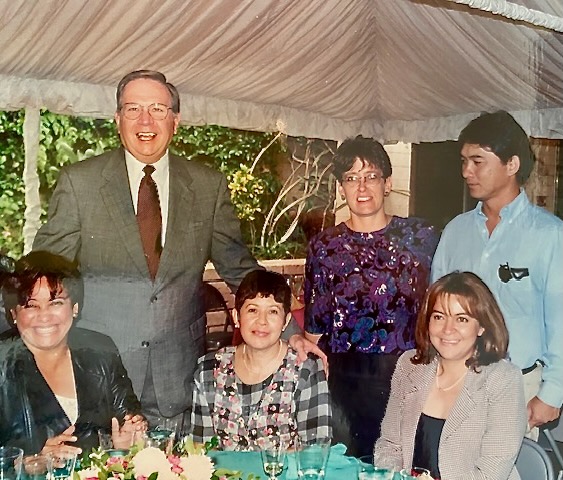
Almaguer turned it up a notch, sharing his priorities: ensuring the effective disbursement of vast U.S. assistance efforts to address the damage caused by Hurricane Mitch the previous year. The October ’98 hurricane had left 7,000 Hondurans dead, knocked down 35,000 homes, damaged 50,000 more, and rendered homeless 1.5 million people. Assistance to address nearly $4 billion in damages was helping feed and house displaced persons, rebuild bridges, and repair roads.
Flores expressed appreciation for what the U.S. had already done, U.S. support being very personal to him. Nine months earlier, rain and hurricane winds still battering Honduras, U.S. Navy SEALs and Army Special Operations Forces brought Zodiacs and MH-60 Blackhawks out to pluck victims off rooftops and out of trees. They rescued some 1,500 victims, including Flores himself. “I’m just grateful for the U.S. forces out of Soto Cano who rescued my team and me from rapidly rising waters.”
Apparently finding confidence in Almaguer, Flores smirked a little and leaned in. With a friendly tone, he said, “You know, I was concerned about you coming down here as ambassador.”
This intrigued Almaguer.
“You having been with the Peace Corps and all.”
“And why is that?” Almaguer asked.
“You Peace Corps people know so much more about the country than most of our politicians do. We politicians campaign. And we visit these towns. But let’s face it, we live in the capital or big cities. Although we seek their votes, we don’t know as much as we should about the common folks out in the communities. But the Peace Corps volunteers, they do know.”
Almaguer’s heart pumped with pride, a gratitude for what he considered the best investment the U.S. government made anywhere. Flores’s appraisal established a special bond between them, and they became fast partners in the urgent matter of repairing the damage caused by Hurricane Mitch.
Almaguer traveled widely with Flores, the Hondurans reframing hurricane clean up as a “transformative opportunity” to remake government and society, passing legislation and executive orders to embed the principles of transparency and good governance into the effort.

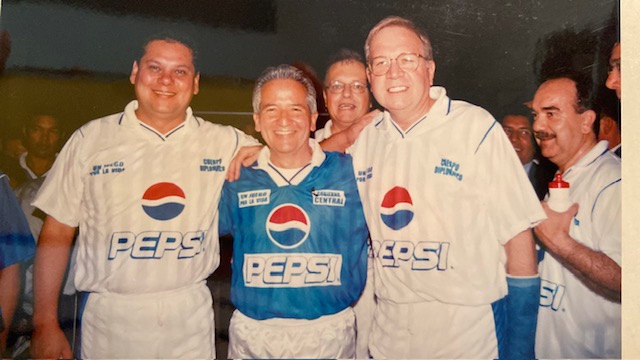

Where implementation suffered setbacks, Almaguer had a ready platform for gentle criticism: the U.S. was supporting the Hondurans’ stated policy of transparency and fairness. Rather than chide Almaguer for speaking out on domestic issues and matters normally beyond the purview of a foreign diplomat, the Hondurans capitalized on it.
Criticism is hard to take, but it becomes more palatable when that criticism is seen as a desire to be constructive and even affectionate… I was very outspoken. I talked extensively about development issues afflicting Honduras. But first I had to develop the reputation for being a true friend of the country and its people.
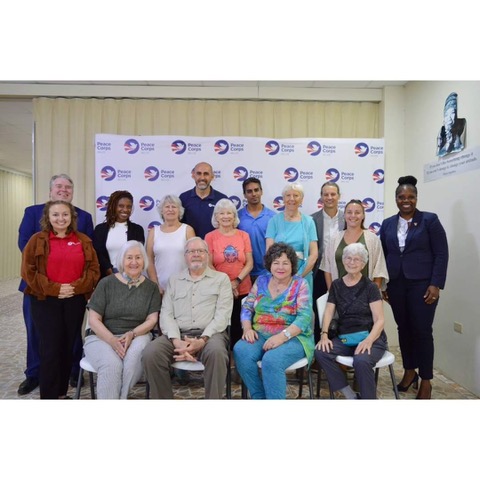
Behind Almaguer (from left center) Sue (Wise) Mitchell, Pris Brutlag, Judy Jones
Read more from Almaguer’s oral history with the Association for Diplomatic Studies and Training:
To follow Almaguer’s and others’ stories from Profiles in Service, consider subscribing below. And please share your thoughts in the comments section. Thank you.
##
 Ben East Books
Leave a comment