Kathleen Stephens witnessed and participated in what she describes as the “three Koreas”: one of rapid industrialization and economic growth in the 1970s, the struggle for democracy in the 1980s, and South Korea as a global middle power and rising cultural force in the late aughts. This sketch focuses on her earliest experience there as a Peace Corps volunteer. For the full scope of this trajectory, consider reading Profiles in Service: Peace Corps Roots in American Diplomacy (ADST / Arlington Hall Press, 2026).
Twenty Questions
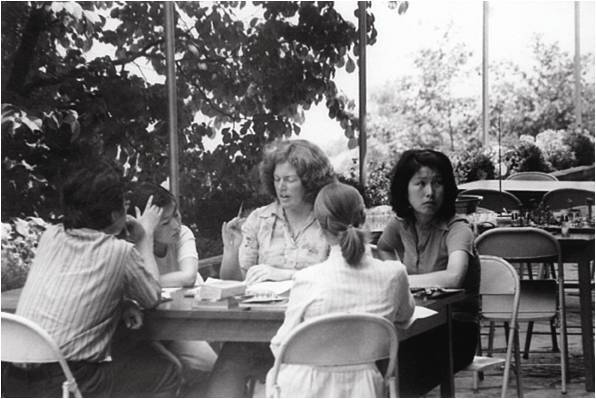
For ten weeks they studied Korean, four hours every morning, learning culture and teaching techniques in the afternoon.
She practiced the “twenty questions,” a Peace Corps training technique tailored to Koreans’ frank inquisitiveness toward outsiders, which included probing questions from strangers, often surprising or even offensive to Americans:
Where is your hometown? Do you have siblings? What was your major in college? Where have you travelled and studied? What are your hobbies?
And ones that were sometimes ducked: Aren’t you homesick? Do you have a boyfriend? Are you married? Why aren’t you married? What’s your salary? What’s your favorite song? Sing it.
After training Stephens arrived in Yesan by train and delivered a speech to the students in the schoolyard, greeted by giggles among the boys, and puzzled looks from the teachers. Years later, she’d learn why.
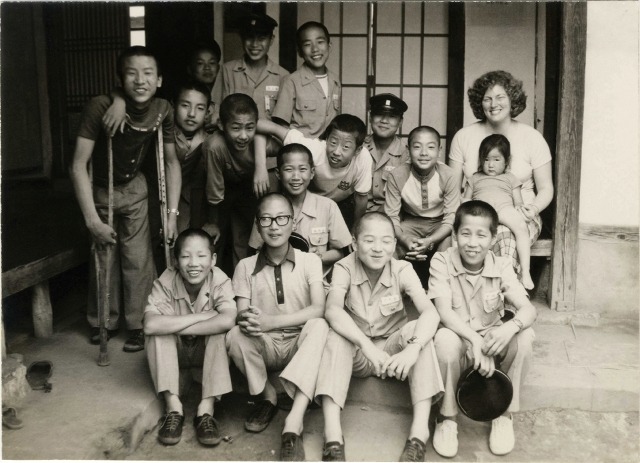
Seventy boys crowded her unheated classroom, the Korean baby-boom cohort. Priority order: Maintain discipline. Inspect lunch boxes. Maintain discipline. Teach some English.
The lunch inspections were carried out amid a campaign to make Korea self-sufficient in rice, and a Park regime edict that nobody eat pure white rice. It had to be mixed with barley or other “lesser” grains. Her lunch box contained the same blend.
A Grinding Experience
The harsh environment, the stern Korean mindset, the boys pushed hard by striving parents, the exceedingly high expectations Koreans had for themselves and for Peace Corps volunteers, all made for an intense, often grinding experience. No running water or indoor toilets. No access to western food. The lack of privacy, strict gender, generational, and other hierarchical norms all wore many volunteers down and made for a high attrition rate.
The students bowed themselves to their desks in pursuit of the education that might lift them from the difficult lives their parents had known. Discipline in a boys’ school, often in the form of severe corporal punishment, created tensions between Peace Corps volunteers and their Korean colleagues.
Twenty years after the Korean war, a culture of secrecy and suspicion dominated, signs populating the landscape: “How to ID a spy: Spies don’t know the cost of cigarettes.”
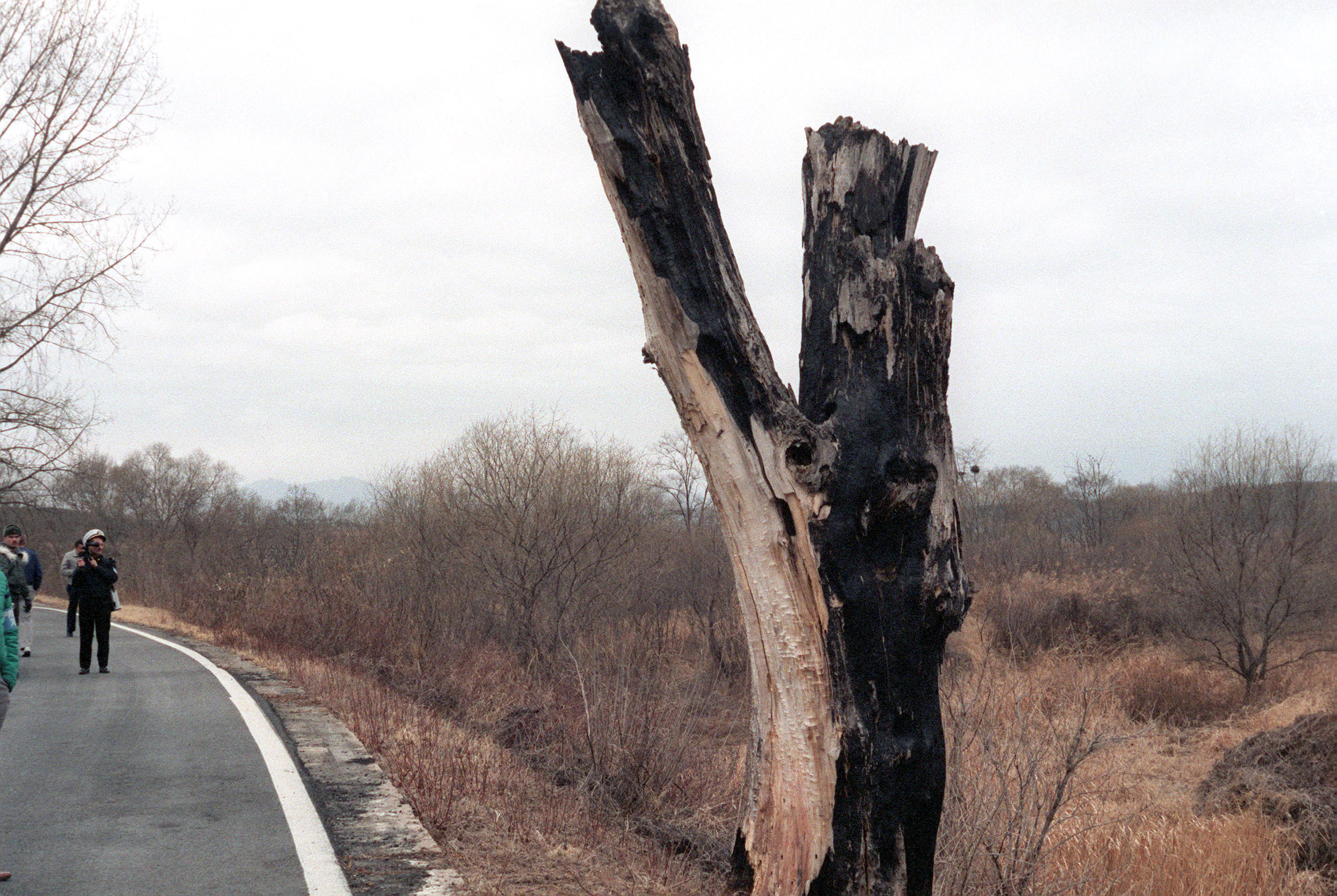
The threat from North Korea was real and ongoing, though often also used by the Park Regime to justify political repression. Whispers swirled about an occurrence at the demilitarized zone, flitting rumor worse than cold truth. Why did North Korean soldiers kill two U.S. soldiers? The U.S. had breached the frontier to clear a tree, and the North Koreans attacked with axes—was this the opening salvo or a war?
Semaul Undong
They lived in an era of Semaul Undong, the New Community Movement. Mornings brought The Movement Song: “Let’s build our new village…” The government in Seoul were driving the nation toward industrialization, transforming South Korea’s rural-urban mix.
And as the move to the cities continued, life in the countryside improved, as well. Bicycles became more common. Teachers acquired motorbikes where formerly only the headmaster owned one. A refrigerator arrived at the corner store where only dry goods had been available.
Stephens’ almost six-foot height and blonde hair made her conspicuous. Whether in Seoul, Yesan, or small towns throughout the province, she couldn’t walk down the street without drawing attention: “Is that a man or a woman?”
“Look at that nose!”
“Hey, big nose!”
Sometimes it would have been better not to understand Korean. Stephens’ co-teacher taught and had her practice saying in very polite Korean, “Don’t you think you’re being a little rude?” if she just couldn’t ignore the comments. It helped.
The Foreign Service
Encouraged by embassy people in Seoul to take the Foreign Service exam, Stephens asked her headmaster for permission to miss Saturday duties. She practiced her delivery, needing to get it right for the strict marionette.
After her pitch came his stern quiz: “They will take a woman diplomat?”
“Yes.”
“And you think you can pass?”
“I have studied.”
“You have prepared for the exam?”
“Yes, sir.”
“Ok. I will let you go. But you must pass.”
She wouldn’t know for months whether or not she met his diktat.
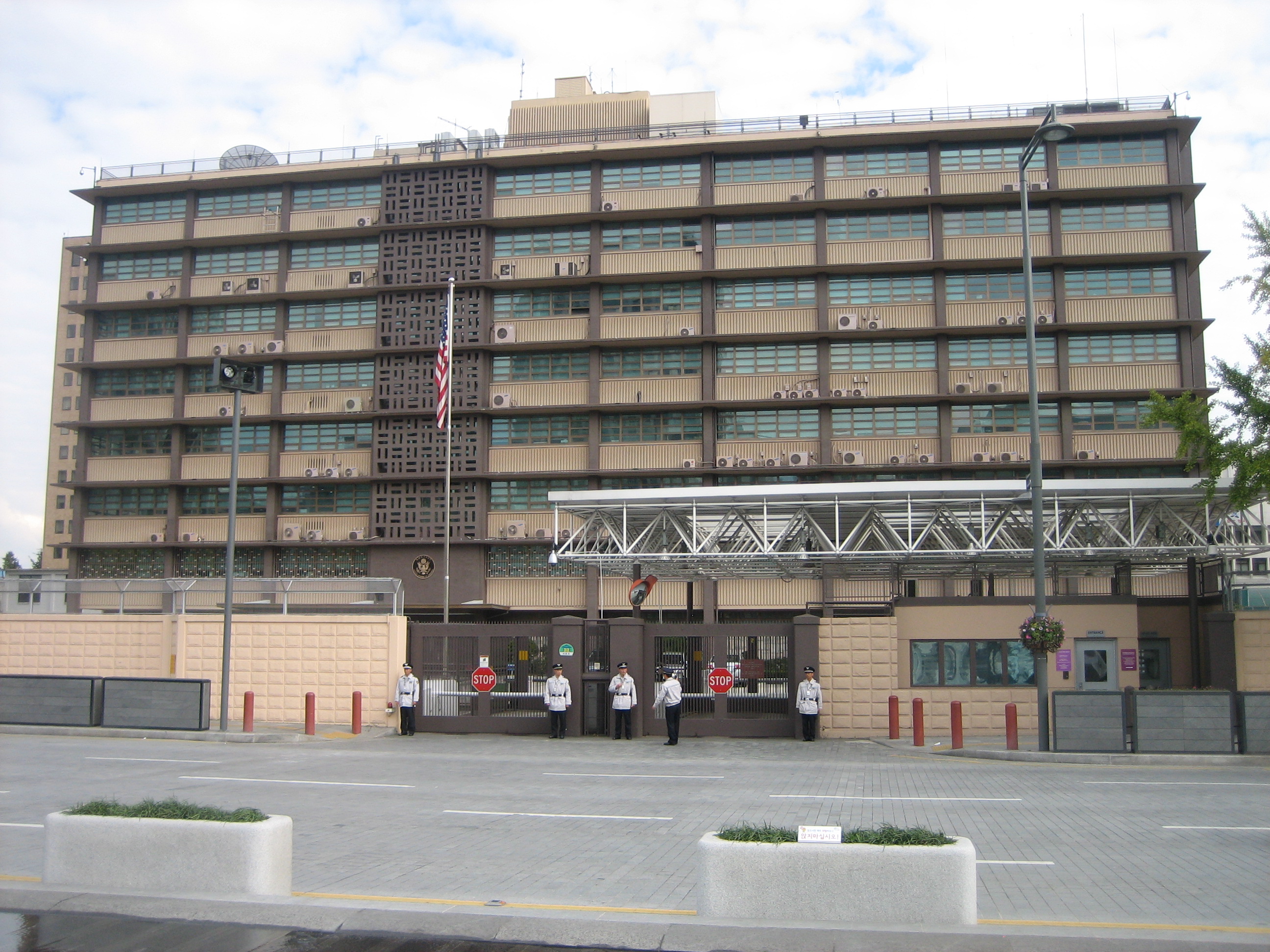
She did pass the exam and left Korea after two years to work at ACTION in Washington, waiting for the Foreign Service to call her up, which it did in ‘78. By way of Trinidad and Tobago, then China, Stephens would return to Korea in 1983 as a political officer at the U.S. embassy.
Stephens’ portfolio was the Korean domestic political scene. Suddenly she was covering all the issues she’d been told to carefully avoid as a Peace Corps volunteer. And she was doing it at a time when Koreans, especially young Koreans, were convinced that the U.S. could and should have done more to support democratization, to stop the violence in 1980 in Kwangju and elsewhere, and that America was responsible for Korea’s failure to date to match its extraordinary economic blossoming with the establishment of the kind of democracy the Republic of Korea espoused to be.
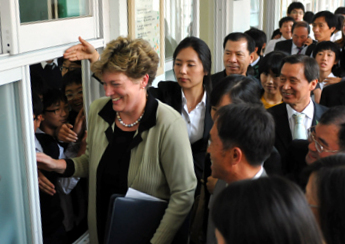
Stephens would stay on in Korea through the Eighties and return again in 2008 as U.S. Ambassador. By then, the country had fulfilled become the first and only Peace Corps host country to become a sending country for international volunteers.
Read more U.S. diplomatic history with the oral history collection maintained by the Association for Diplomatic Studies and Training.
The ADST also offers an oral history compilation on Korea. Kathleen Stephens’ oral history is forthcoming and her comprehensive blog of her ambassadorship remains online at https://cafe.daum.net/usembassy/I2bb.
To follow Stephens’ and others’ stories from Profiles in Service, consider subscribing below. And please share your thoughts in the comments section. Thank you.
##
 Ben East Books
Leave a comment