This is a thank you message and a call to action.
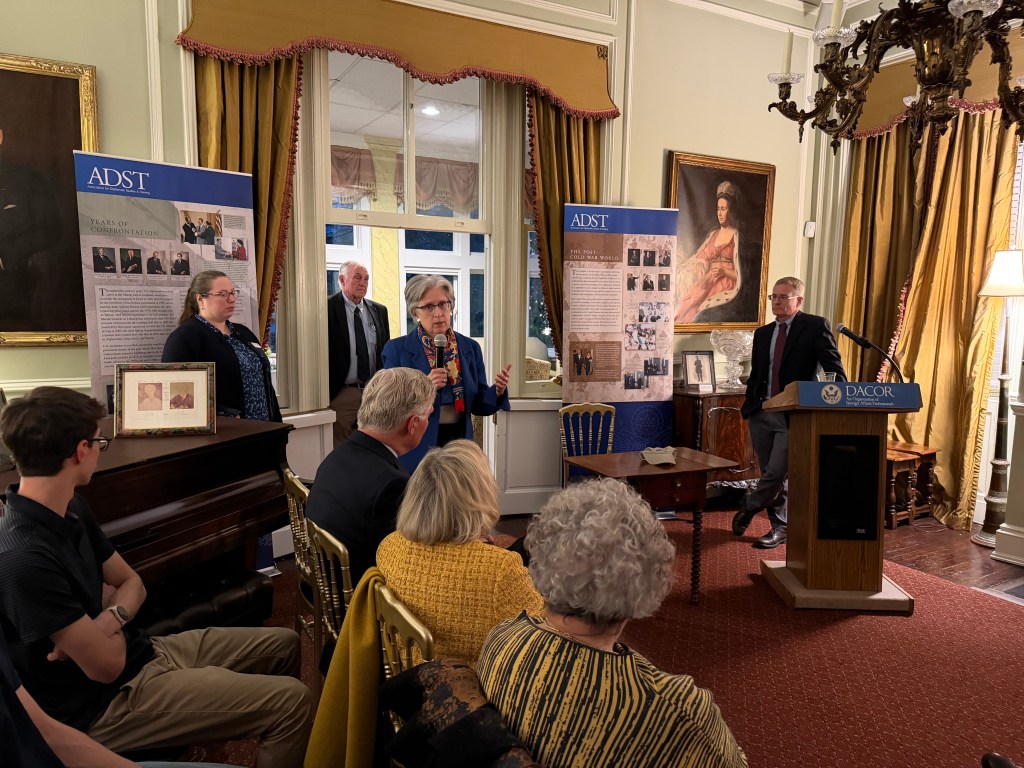
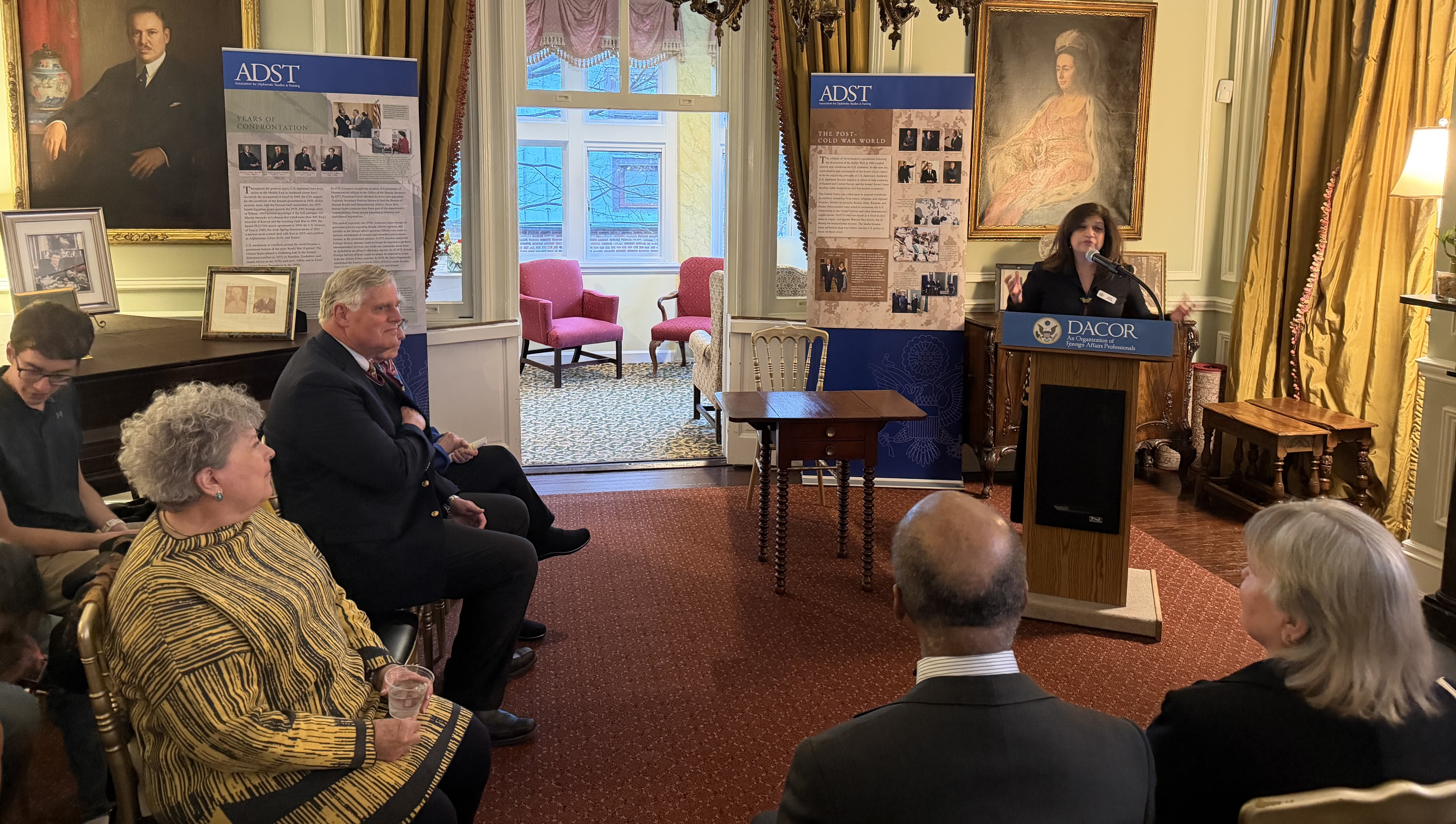
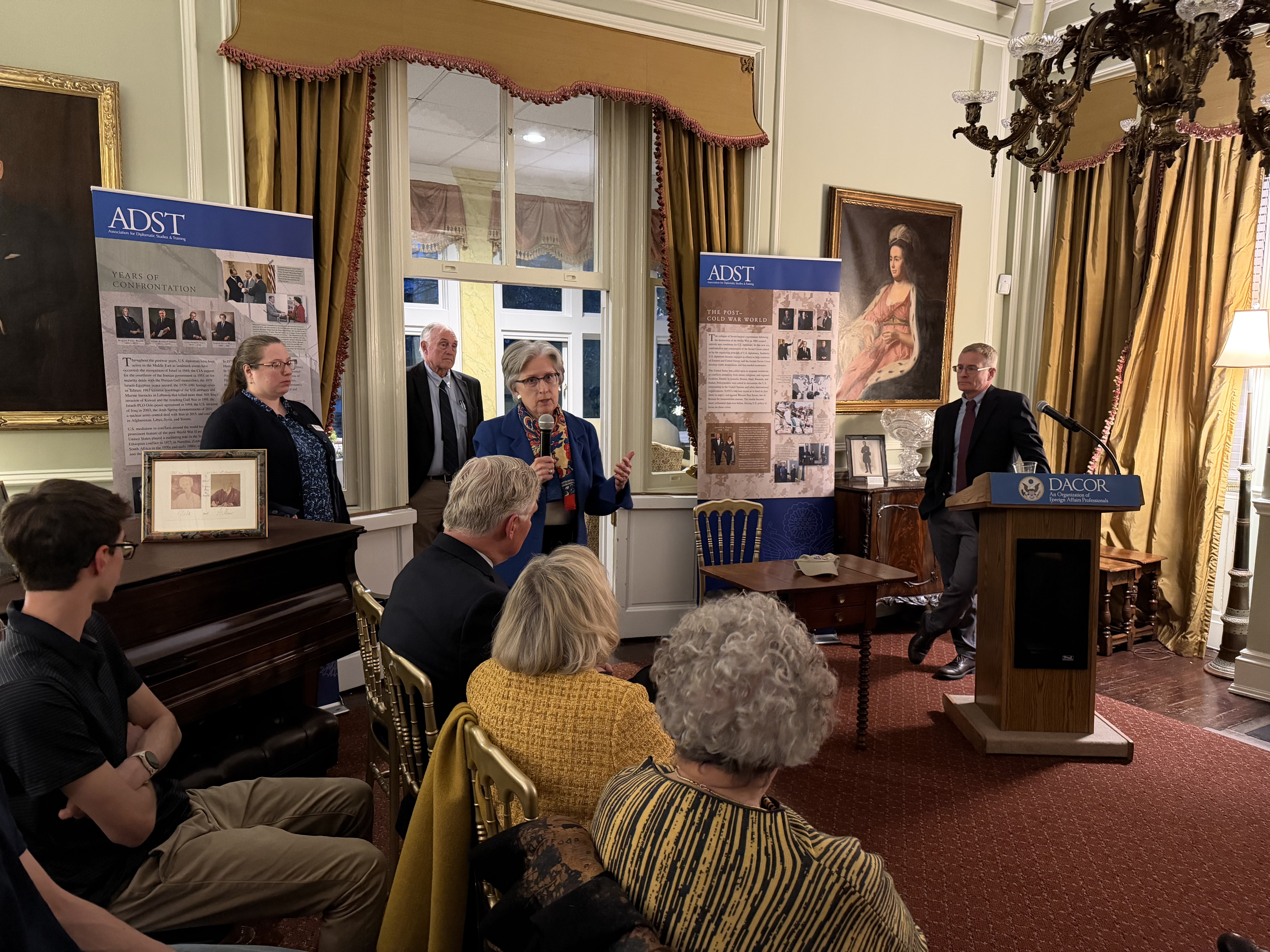
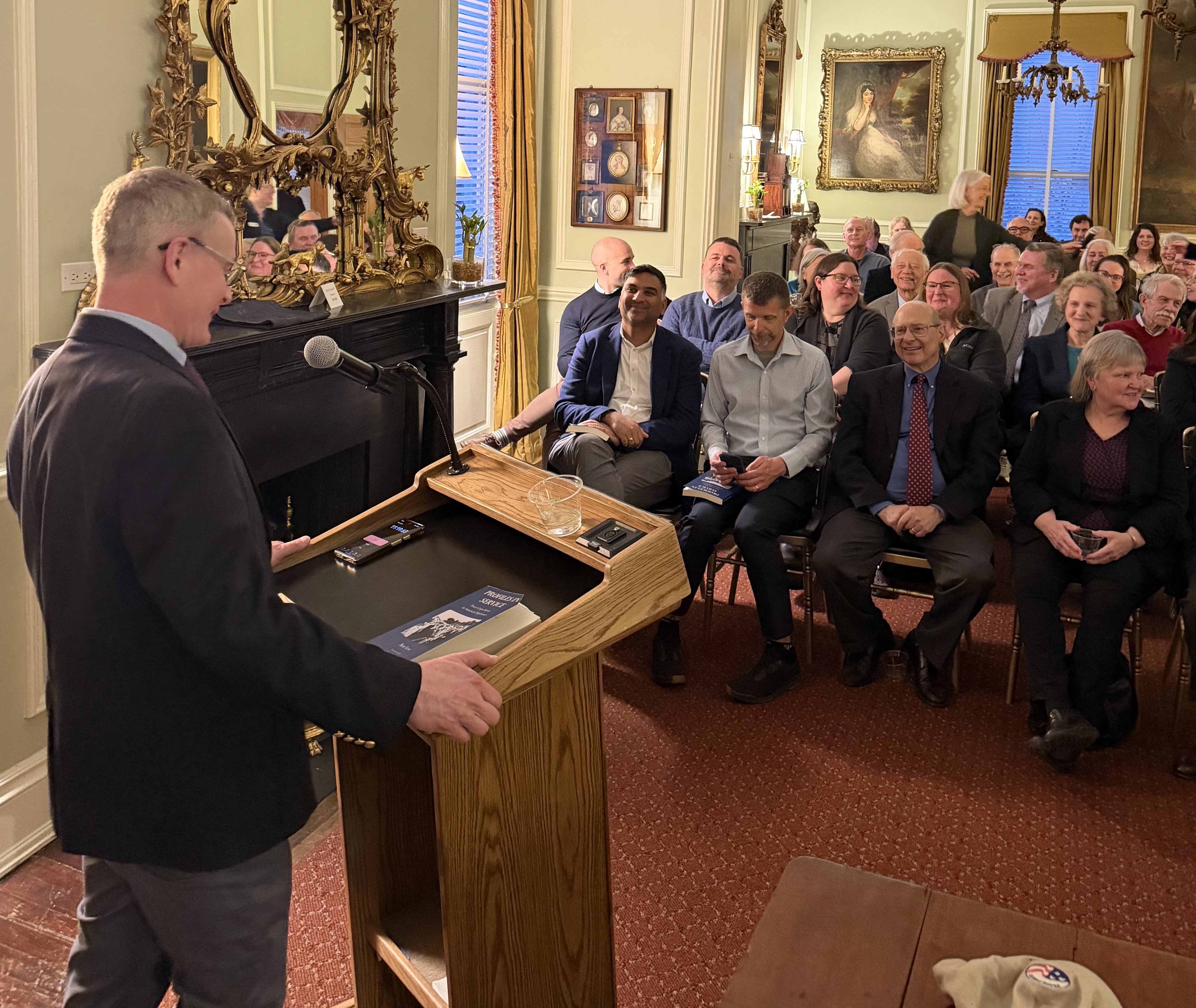
I’m so grateful for the many friends and colleagues who joined me on Tuesday to discuss the Peace Corps legacy and the agency’s impact on modern American diplomacy.
DACOR Programs
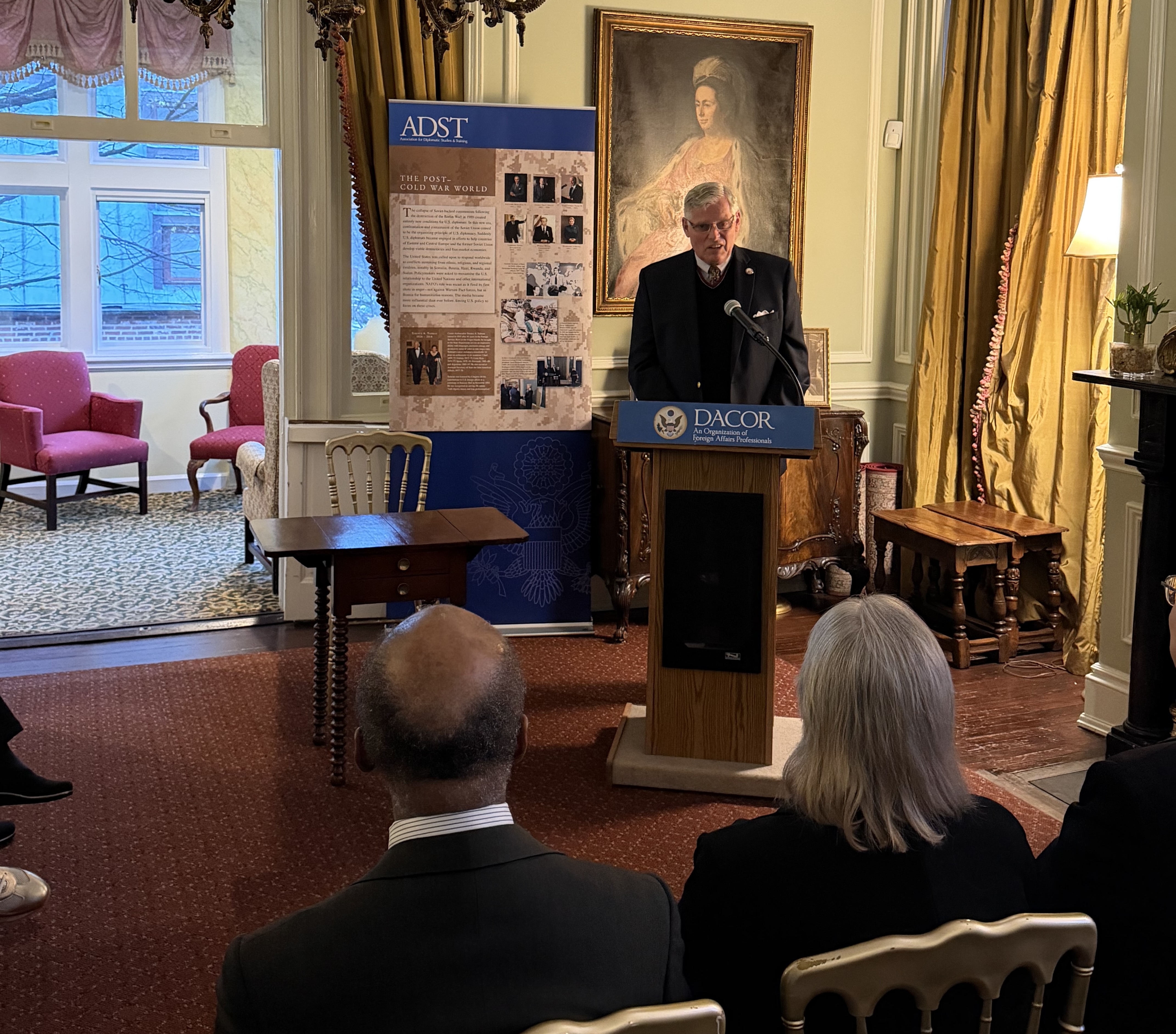
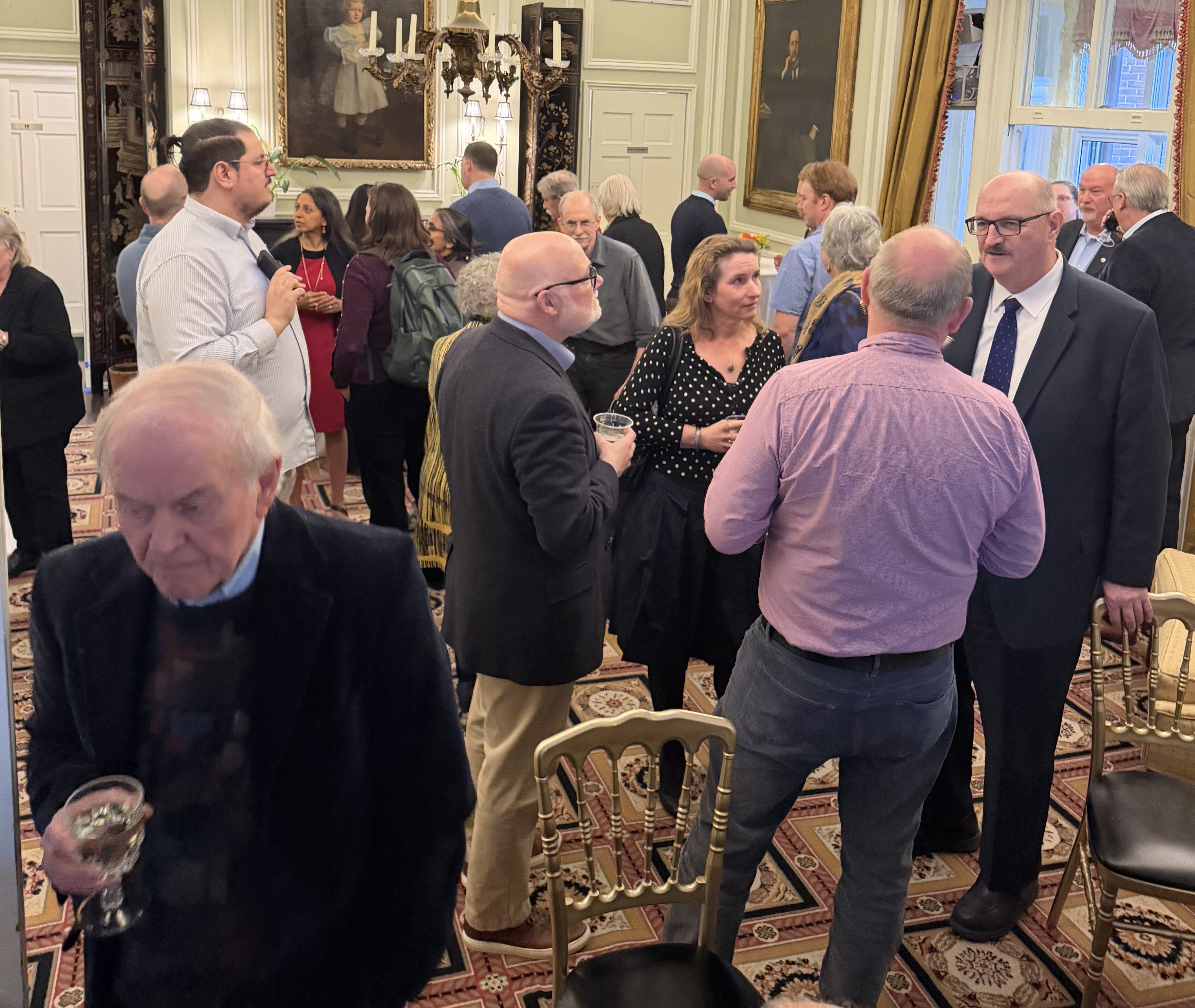
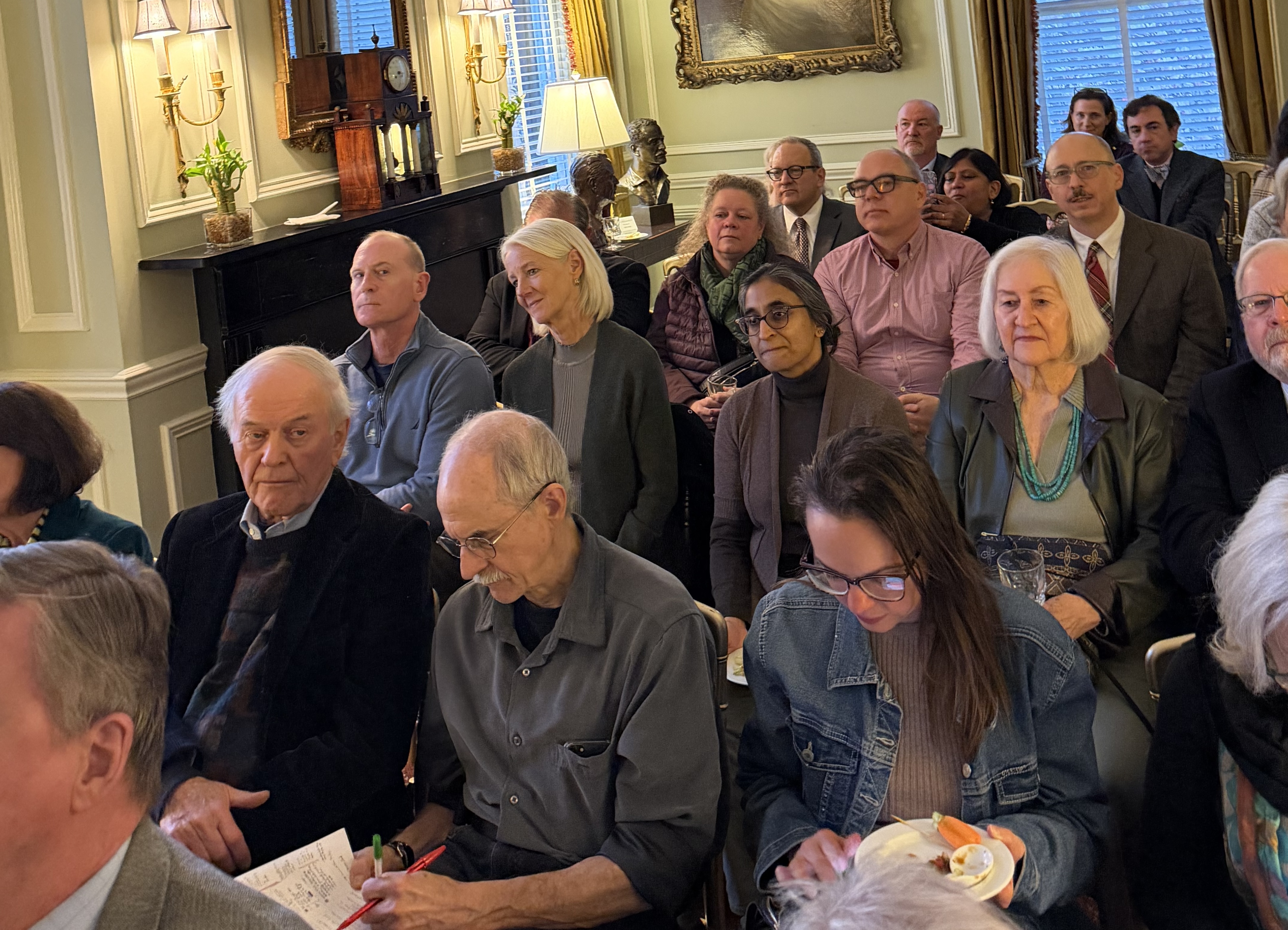
Central to the evening’s discussion was the idea of storytelling, the physical act of writing, and the significance to the foreign affairs community of setting our words on paper.
Co-hosted by the Association for Diplomatic Studies and Training and the historic DACOR-Bacon House in Washington, D.C., the forum provided an opportunity to consider why 240,000 Americans have chosen to serve the United States as volunteers in communities around the world, what that service has meant to their lives and careers, and how vital it is that we continue to collect, preserve, and share as many of their stories as possible.
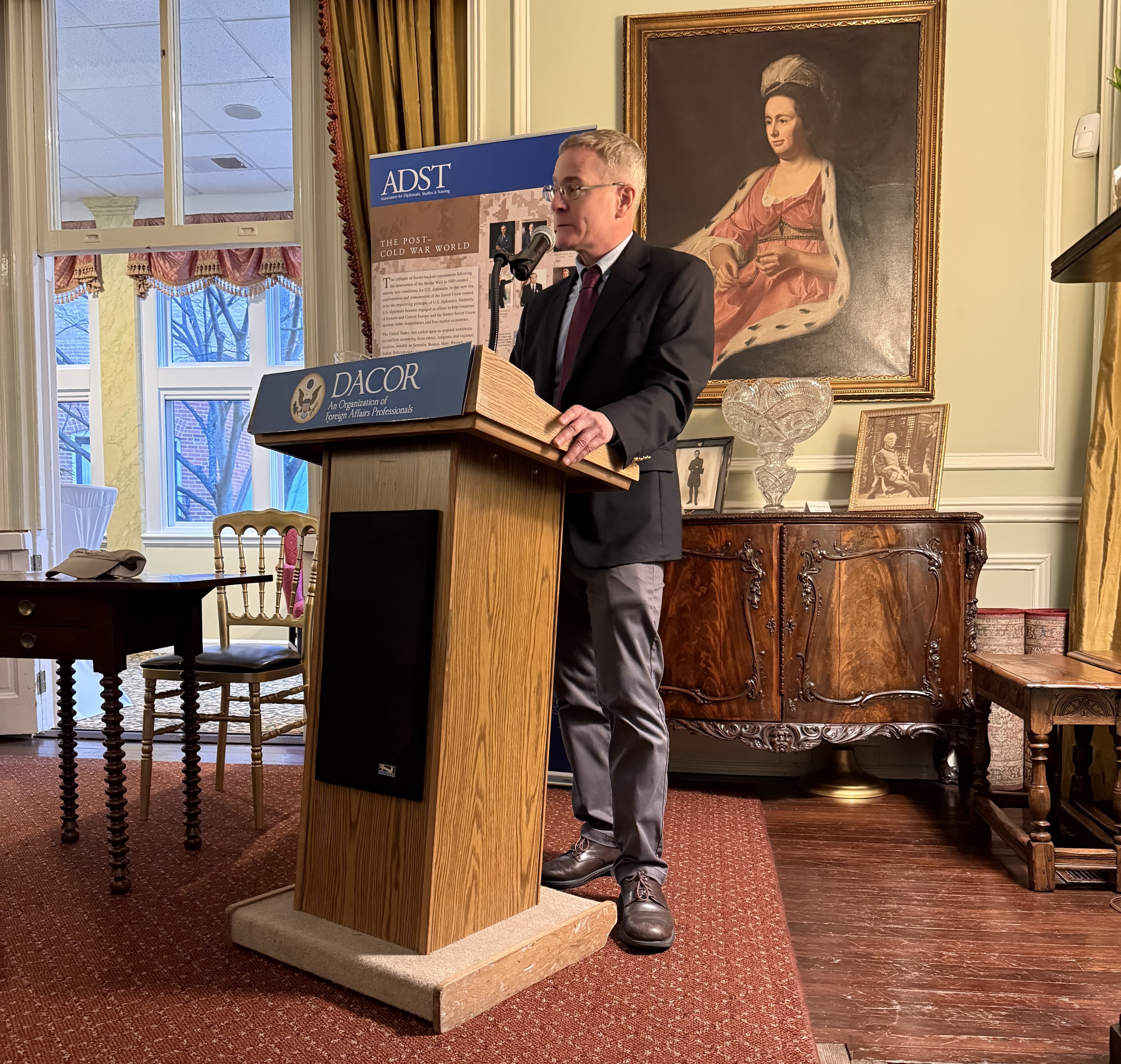
We find ourselves in a moment where the past is glibly erased or overwritten and the present maliciously falsified. We can combat this only by setting down the truth in black and white.
One worrisome aspect of this is how workers new to government—even those who join with the best intentions—may lose touch with the core ethos that originally drove most service-minded people to work for the common good in the first place. Oral histories, the living lessons of the past, are no substitute for real mentorship and proper leadership, but they can serve as a blueprint for that day when our government returns to normal working order.
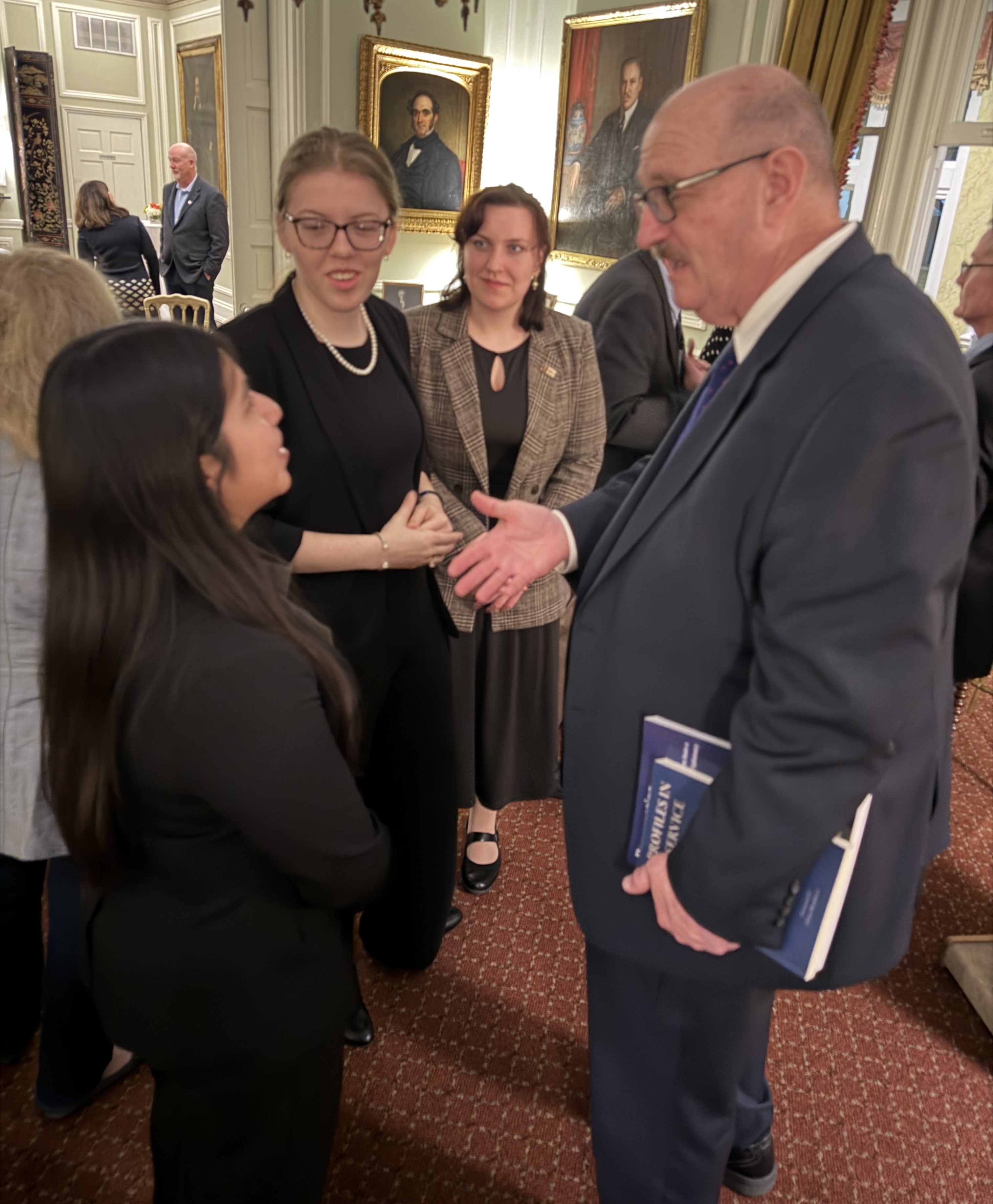
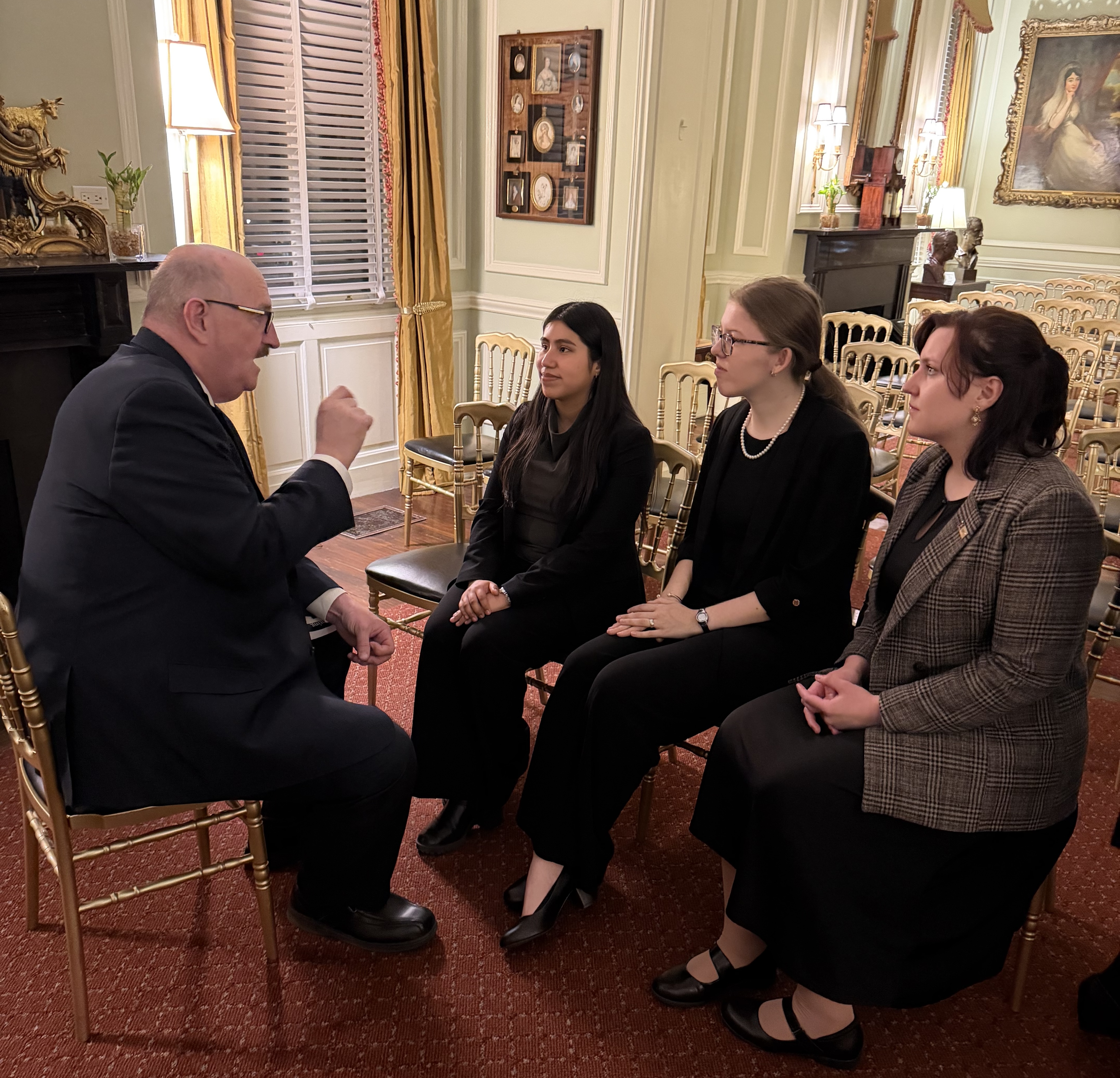
ADST oral historians have made their mark by amassing a database of over 3,000 oral histories—and there’s room for more. Take a deep dive into this resource and consider sharing your story with them. That’s the call to action.
Book Launch
I’m really grateful to have my book included among the ADST’s Diplomats and Diplomacy collection. Profiles in Service: Peace Corps Roots in American Diplomacy is the 78th release in the series.
The launch on Tuesday brought together former U.S. ambassadors, the current and a past president of the American Foreign Service Association, the past president of the National Peace Corps Association, members of Women of Peace Corps Legacy, and colleagues from my first to my last Foreign Service tours.
It was an honor to be among them in that historic setting. Significantly, three of the ambassadors featured in Profiles attended with their spouses. Stupidly, the author did not get a photo with any of them! Their online sketches, outtakes from the book, are linked in the photos below.
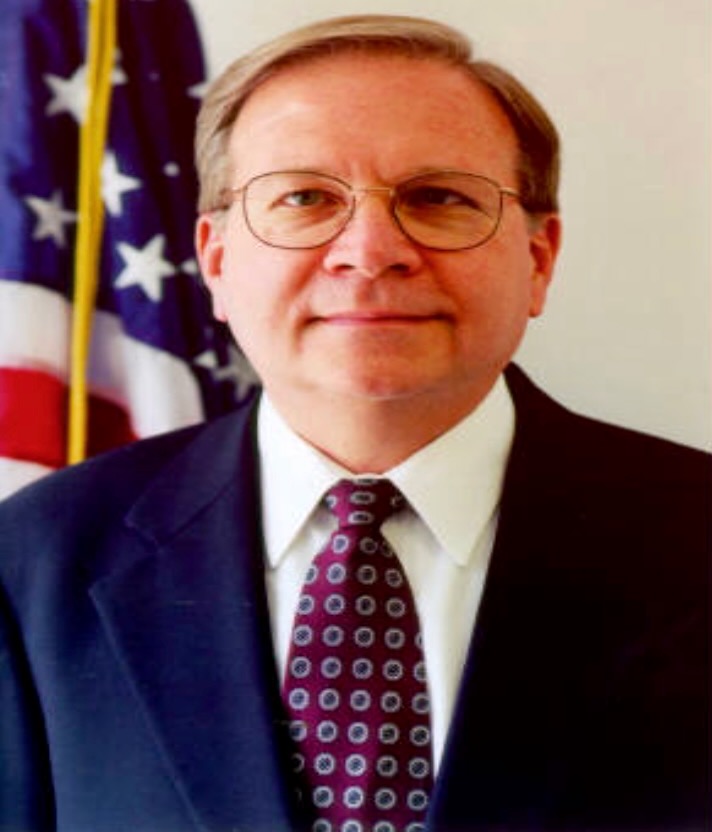
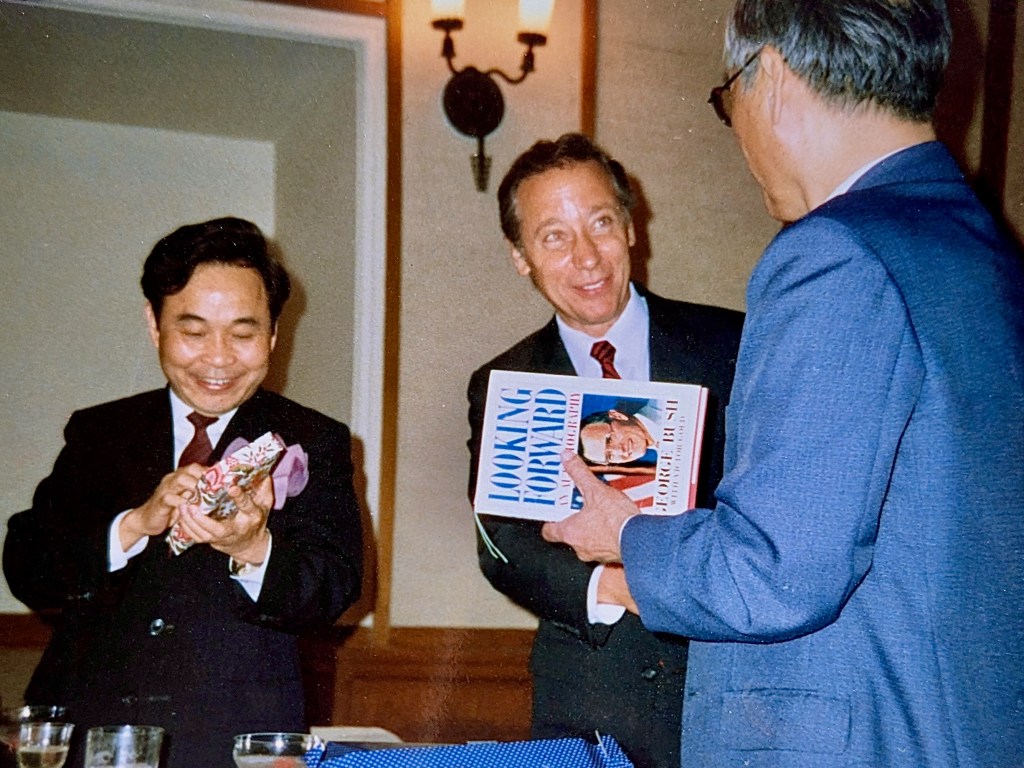
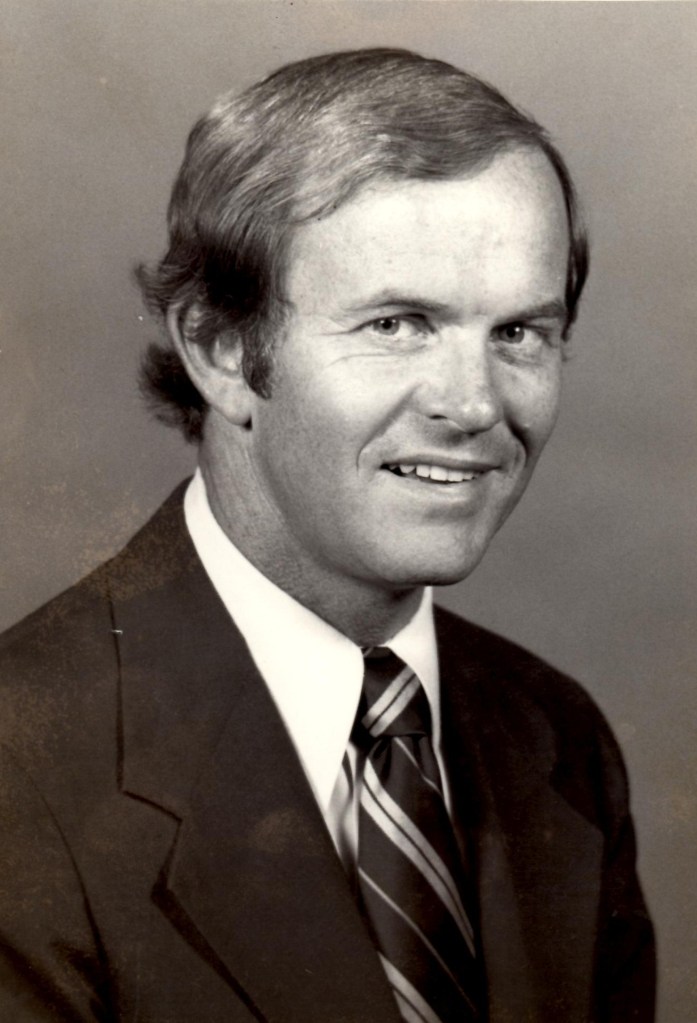
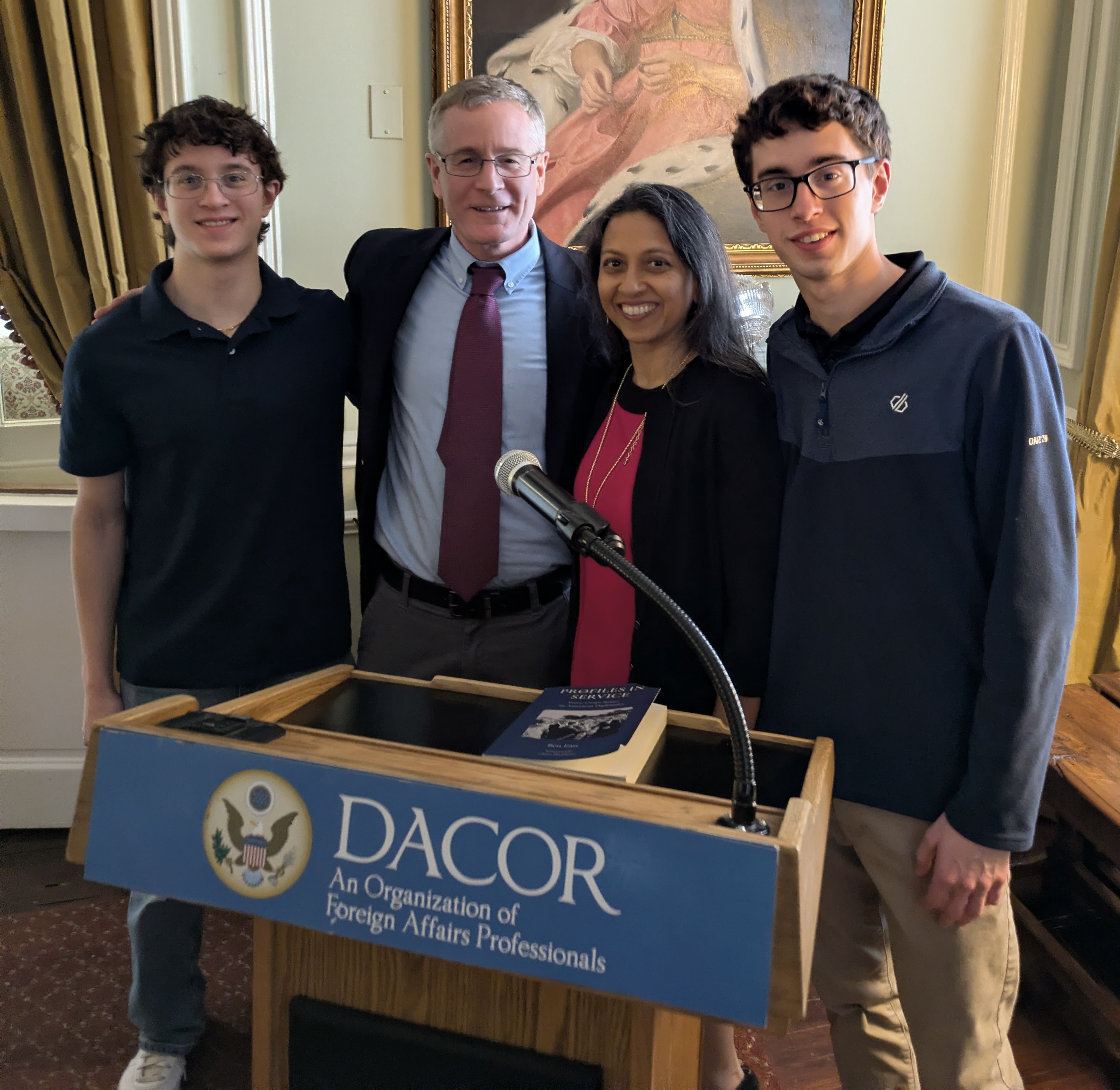
Also important to the author was having his family in attendance. This led to the inevitable follow-up question: “Tell us how you met your wife.”
I gave the audience one part of the answer, forgetting that a fuller version was already published nine years ago at American Diplomacy.
Conclusion
For those still in government service: Thank You and stay resilient. For those considering service: Please follow through. For those who’ve left service, you know what your job is now: to share, promote, and shine a light on how your work made this country strong, proud, and true.
To read about the diplomats featured in Profiles in Service, consider subscribing above. And please share your thoughts in the comments section. Thank you.
 Ben East Books
Leave a comment