American Identity
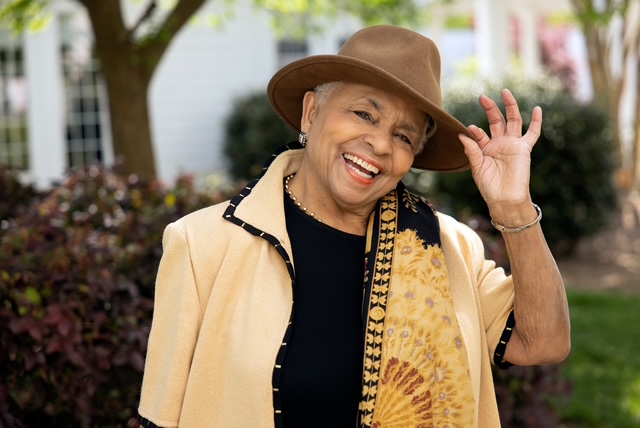


One of nine African American students to integrate the Baltimore County public schools after Brown v the Board of Education, Brenda Brown Schoonover had long lived with the pressures of “otherness.”
When she became a member of the first Peace Corps group deployed to the Philippines in October 1961, young Brenda Brown finally felt her identity as an American. Her Peace Corps experience inspired a new sense of belonging, both among her cohort of nearly 130 volunteers and, more importantly, as an American citizen representing the United States in a foreign land.

The Peace Corps offered a freedom denied to me in my own country, at least in my part of the country during that era. I am under no illusion that people ever forgot my color; nor would I want them to; nor did I. The point is that [as a Peace Corps Volunteer in the Philippines] I was less and less defined by my race. There were fewer assumptions based on how I would react as a Negro—more about how I would relate as an American.
– Brenda Brown Schoonover (PCV Philippines 1961-63; U.S. Ambassador to Togo 1998-2000)
While recruiting new Volunteers on her return, Brown once again felt the sting of racism when a café owner just off campus at her alma mater, Morgan State, refused to serve “her kind.
That didn’t stop Brown Schoonover from representing the Peace Corps as one of two Returned Peace Corps Volunteers at the funeral services for President John F. Kennedy.
These and other experiences informed her leadership of the U.S. Embassy in Togo, West Africa, where she navigated a complex relationship with a regime known on the one hand for human rights abuses and anti-democratic practices, yet on the other proved central to ending the civil war in nearby Sierra Leone.
##

 Ben East Books