

Ta’arof
I was a diplomat accredited to Iran, to whatever government was there. So that was the persona I was going to have.
-John Limbert (PCV Iran 1964-66; U.S. Ambassador to Mauritania 2000-2003)
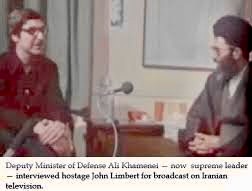
Before becoming the Supreme Leader of Iran in 1989, Ali Hosseini Khamenei—today the Middle East’s longest-serving head of state—visited with Second Secretary John Limbert.
The meeting at the U.S. Embassy in Tehran couldn’t have been held under stranger circumstances. It was April, 1980, and Limbert had been held hostage, sometimes bound, sometimes in solitary and incommunicado, sometimes interrogated in bizarre and puzzling ways, for five months.
What Tehran’s Friday prayer leader found during his call on Limbert wasn’t a broken or angry man. Instead, he found a man with his diplomatic identity intact, capable of subtlety and finding connections between peoples in conflict.
As much as you dislike the thugs in your host country, or whatever they are, you don’t berate them. You kind of smile at them and you talk to them, and you pretend that you’re dealing with normal human beings.
-John Limbert
Limbert would draw on his long experience steeped in Iranian culture, including as a Peace Corps Volunteer in Sanandaj, to remind Khamenei about the traditions and values his captors, and Khameini himself, had violated.


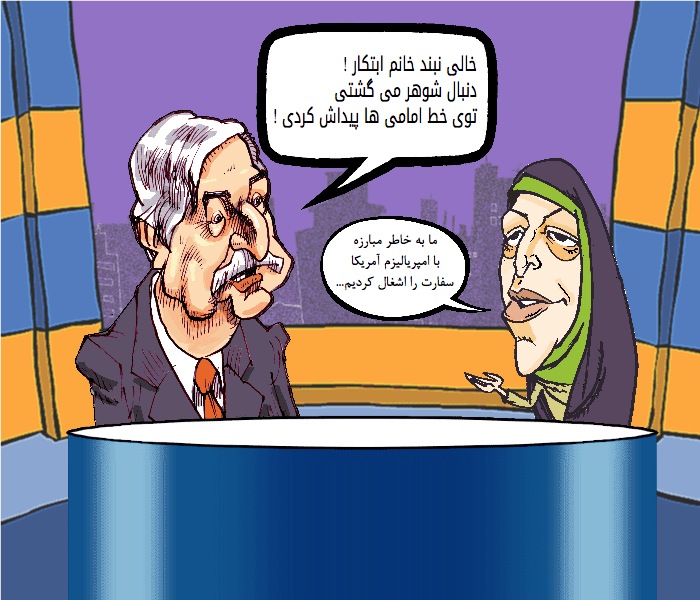
Limbert: Don’t talk nonsense, Ms. Ebtekar. You were looking for a husband, and you found one among your fellow occupiers

 Ben East Books