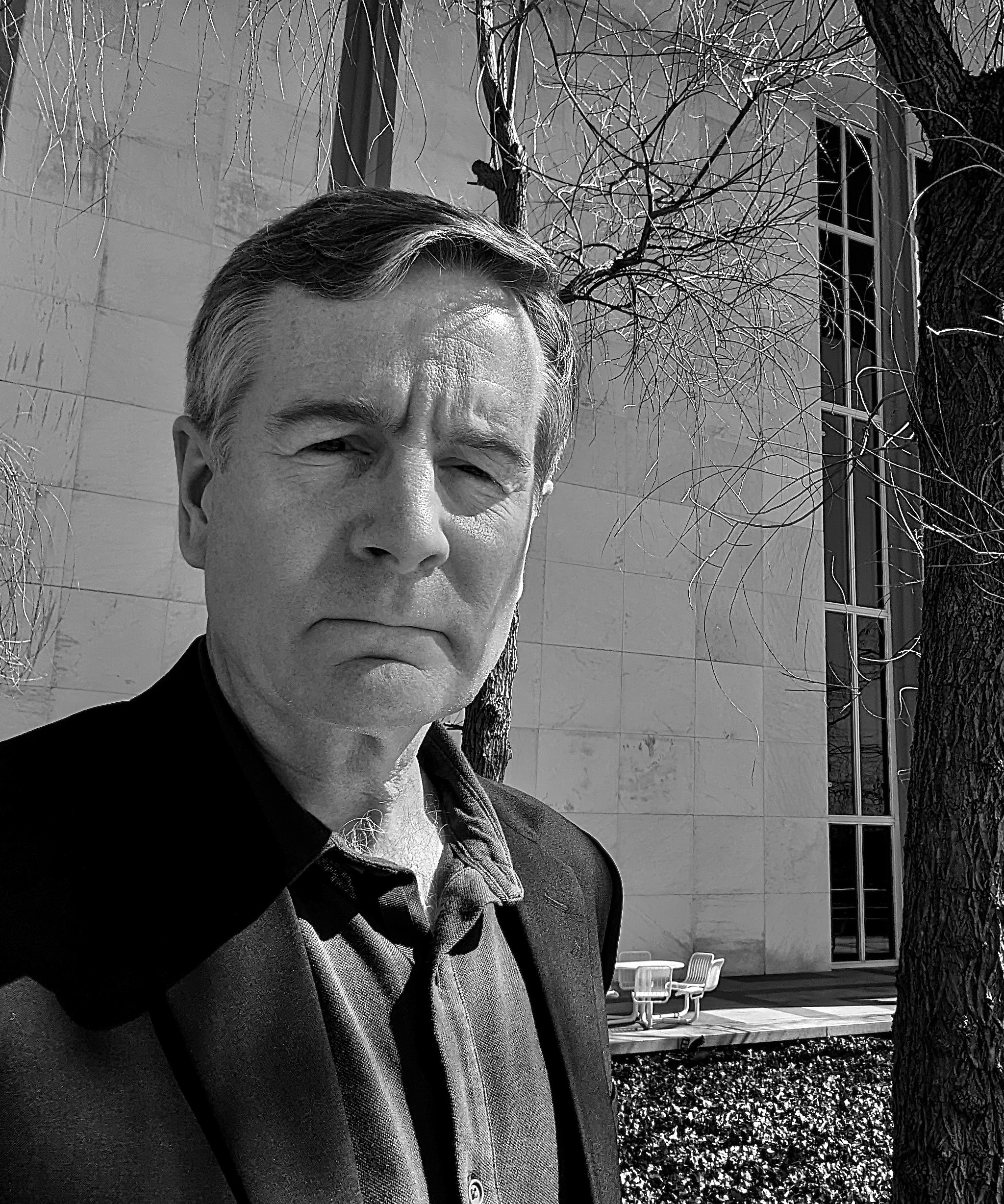
Today I’m pulling back the curtain on process, sharing an excerpt of David Greenlee’s oral history as collected by Charles Stuart Kennedy and the Association for Diplomatic Studies and Training starting in January 2007. The excerpt focuses on Greenlee’s Peace Corps service in Bolivia from 1965-67.
The eleven transcript pages, some 6,000 words, boil down to four pages of narrative in 1,400 words for Profiles in Service: Peace Corps Roots in American Diplomacy.
USER WARNING: ADST oral history transcripts make for addictive reading. Proceed with caution.
Wilderness
Off he went to live in a one-room adobe house with a tin roof, outdoor latrine, and Petromax lantern. No electricity. For water, he carried a pail into San Benito, a town of about 200 mostly Quechua speakers.
The remote area, dead center on a 500-mile stretch between La Paz and Santa Cruz, was all rolling lowlands and mid-altitude valleys. Daytime temps ranged in the mid-70s, with sharp drops overnight. The crumbling ruins of old estates lay fallow in the valley, reminders of a time before Bolivia’s 1952 Revolution and subsequent land reform. What had thrived thirteen years earlier now lay ransacked, all broken windows and silence.
Greenlee set out with unease to meet his counterparts. How to start? A survey might establish a baseline of who was out there and what their problems were. From there, he could help village-level workers develop requests to the Ministry of Agriculture and Campesino Affairs. With USAID backing, the ministry could provide material and engineering support while the campesinos put in sweat equity.
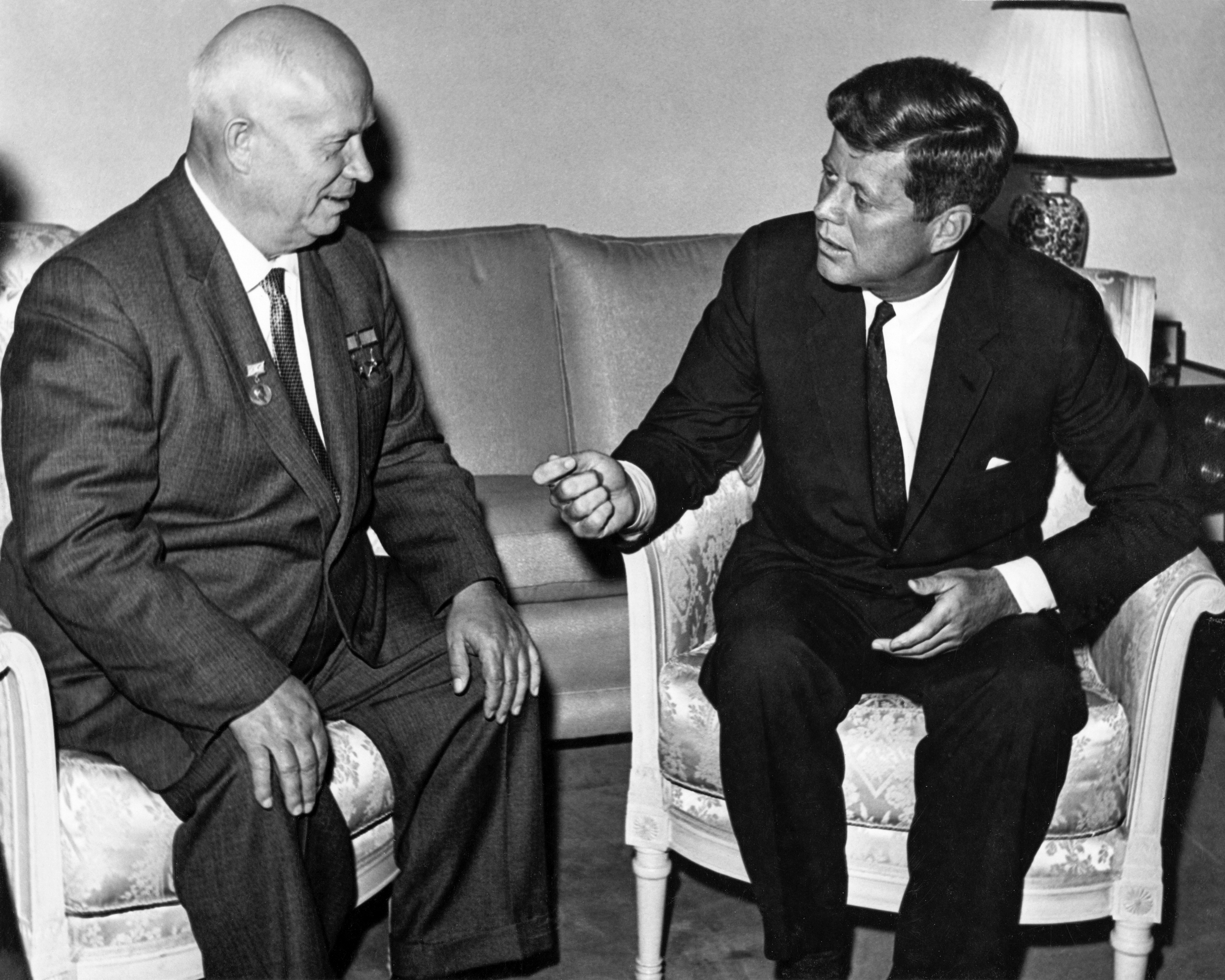
His local partners were middle-class political types with little interest in campesino concerns or what Greenlee was up to. The vibe he got: it’s wonderful you’re here, you from your world come to break bread in ours. You’ll disappear back to your world and we’ll stay in ours. One guy told Greenlee about the two portraits on his wall, what he called the two great men of the world: John F. Kennedy and Nikita Khrushchev. The Cold War in a nutshell.
Nobody could figure out exactly how Greenlee might help, how their “felt needs” translated into resources. The campesinos were used to handouts before an election and broken promises after. What did this American bring? Where was it? When would it arrive?
Feeling pretty alone, he assessed his own felt needs. One was taming his horse, which kept running off to eat a neighbor’s alfalfa. Another was evading a relentless drinking culture. The women made local beer by chewing corn into pulp, spitting it into a jug of water, then boiling and leaving it to ferment. Locals drank this chicha to stupefaction.
A third need was fighting off Chagas disease, lest he suffer acute fever, fatigue, diarrhea, and vomiting. Long term, Chagas enlarged the heart, caused cardiac arrest and an enlarged esophagus or colon, difficulty eating and shitting. There was no cure short of transfusion. The Peace Corps, so good at scaring volunteers straight, warned about the danger of death by blood clot to the heart or brain.
A big, clumsy beetle,the vinchuca, spread the virus. They lived between chinks of adobe, the material used to build his house, and came out at night seeking blood in the softer body parts—under the eye, behind the ear. These wounds they covered with their feces, which the victim rubbed into the bite. Every night Greenlee zipped himself beneath a net he kept tucked in during the day, a constant worry he might zip a vinchuca in with him.
Smashing one in his house one day sent blood spattering across the wall.
His? Someone else’s?
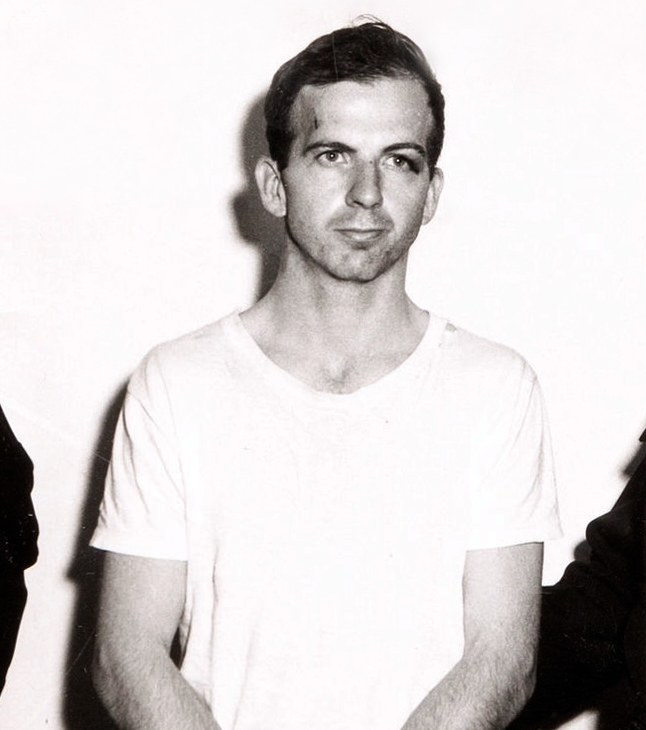
He got to know U.S. consular officials in Cochabamba, their lifestyle tracking the political scene worlds apart from his. What was Bolivian President Rene Barrientos’ agenda when he visited his home city? Were the pharmacy break-ins and stolen asthma medication the work of Che Guevarra? One official, John McVickar, had served in Moscow, had taken Lee Harvey Oswald’s citizenship renunciation and later processed the assassin’s repatriation. The Warren Commission would ask McVickar, “Did Oswald seem programmed?” McVickar: “Maybe.”
Back in Greenlee’s world, a pair of priests made good company. The Spanish priest in San Benito seemed always to be fighting temptation; the Bolivian in the regional center, Punata, had a couple of children. The priests had access to water and electricity. Neither seemed very religious: in addition to the military, the church offered one of two routes for economic advancement in Bolivia, and priests lived comparatively well. Farmers worked primitive plows behind sluggish oxen, looking sixty at age forty.
Greenlee traveled by flagging big trucks and settling in atop sugar and flour sacks. He rode twelve hours to Santa Cruz, population about 100,000, for Carnival. The place had a cowboy feel, hitching rails for horses on the main square. It rained the whole time, turning the dirt streets to mud. Stunning women in party dresses took off their spike heels, stepped through the mud, put on their shoes again at the covered walkways.
Ten months in, Greenlee travelled with the Spanish priest, staying at seminaries in Peru and Colombia, hearing talk of liberation theology. He returned feeling stalled. None of the projects he raised with the locals delivered.His work going nowhere, he transferred to La Paz.
La Paz
Greenlee’s year of rustic living made La Paz feel like Paris, even on his meager Peace Corps allowance. The change provided useful cultural insights and an encounter that would chart his future.
He lived with a couple other volunteers and went to work teaching English at a school and to taxi union members. Riding around town with the taxistas introduced him to urban Bolivian thinking on national politics. Bolivians peppered him with questions about life in the U.S., probed why Americans would fight in Vietnam thousands of miles from their shores. Greenlee enjoyed the challenge, tried to give thoughtful responses that balanced his personal views with more abstract national interests. It was good training.
Under the direction of a linguist from the University of Washington, Greenlee and native Aymara speakers developed an Aymara-English-Spanish dictionary. Missionaries in the Amazon basin, off the grid for a decade, invited the linguist to visit. They wanted an update on Transformationalism, the linguist’s specialty. He invited Greenlee along.
They flew north to Riberalto, took a HelioCourier built for jungle landing to Tumi Chucua, home of the Chácobo, a tribe that had had no permanent outside contact until the early 1900s. White Bolivian settlers had massacred those who didn’t escape into the jungle. In 1955, missionary-linguist Gilbert Prost arrived under the auspices of the Summer Institute of Linguistics (SIL) to observe culture, translate the Bible, and make Christians of the tribe. He aimed to train them in rudimentary skills, a bridge into fast-encroaching Bolivian society.
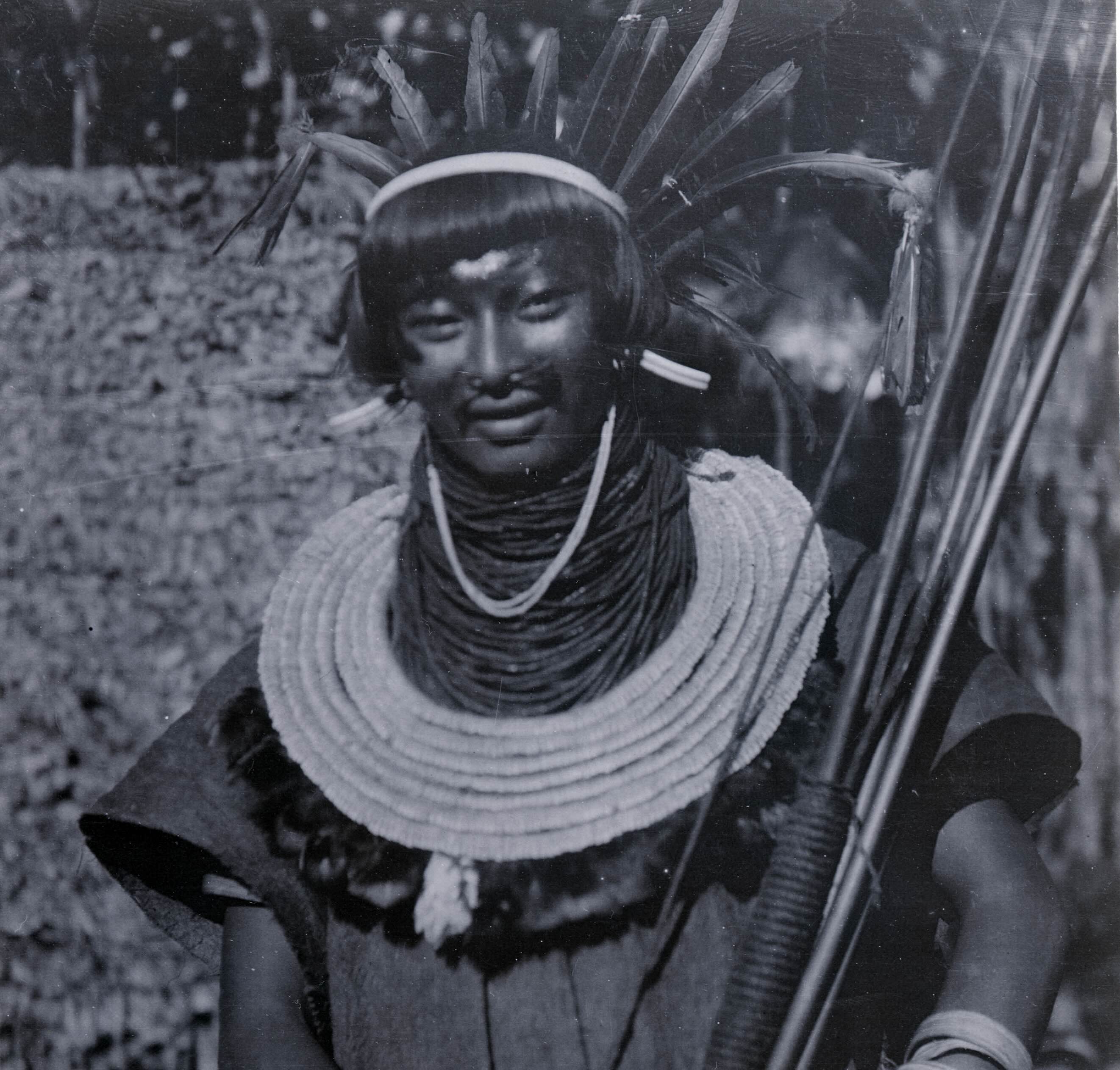
Greenlee’s expedition felt like visiting another age. The tribe wore bones through their ears and feathers through their noses. Eyebrows shaved off, red mascara smeared all over, they wore very little clothing, much of it fashioned from tree bark. The linguist, with a reputation for hard partying in La Paz, became a choirboy among the tribe and missionaries. He related with them, updated them on cultural transmission theories influenced by Noam Chomsky. They traded, fishhooks for ironwood bows and bark dresses. The linguist slipped them black tobacco cigarettes.
Back in La Paz Greenlee met the U.S. Embassy labor officer, who was interested in his work with the taxi union. He met other embassy officials informally, asked about the Foreign Service and learned it was impossibly hard to get in. Yet a volunteer one year ahead, Robert Gelbard, had entered straight out of the Peace Corps.
None of these experiences matched Greenlee’s happy hour encounter with a stunningly attractive young Bolivian named Clara Murillo. A former medical student at La Paz’s University of San Andres, Murillo struck him as really beautiful, really serene. She hadn’t been around Americans much, and though she didn’t really know them, she’d staked an anti-gringo position. She’d chucked an egg at Nixon’s motorcade when the Veep visited La Paz in ‘58.
They bonded over the recent passing of their fathers, both their mothers adrift. The death of her father had forced Murillo to support her family as a teacher, railroading her medical studies. She was completing a required provincial year, teaching English and French in La Paz and a few days a week at a bleak, impoverished tin mine school just outside the city.
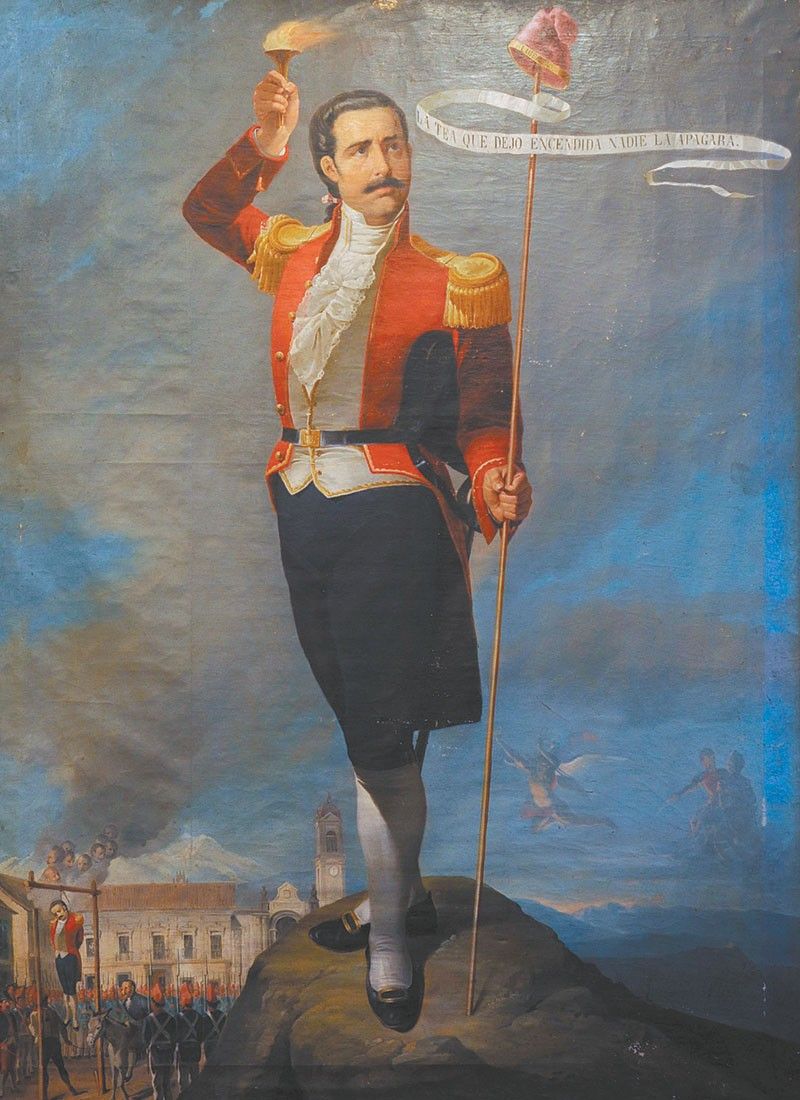
Murillo’s family on her mother’s side had lost land in the ‘52 Revolution. Her lineage, on her father’s side, ran to Pedro Domingo Murillo, Bolivia’s first independence martyr. Pedro Domingo, the child of a Spanish priest and an Indian woman, had been hanged by the Spaniards for fomenting insurrection, his head on a pike outside La Paz.
Clara became, for Greenlee, an interpreter of Bolivia.
To follow Greenlee’s and others’ stories from Profiles in Service, consider subscribing below. And please share your thoughts in the comments section. Thank you.
Greenlee’s full Oral History.
ADST Collection.
##
 Ben East Books
Leave a comment