
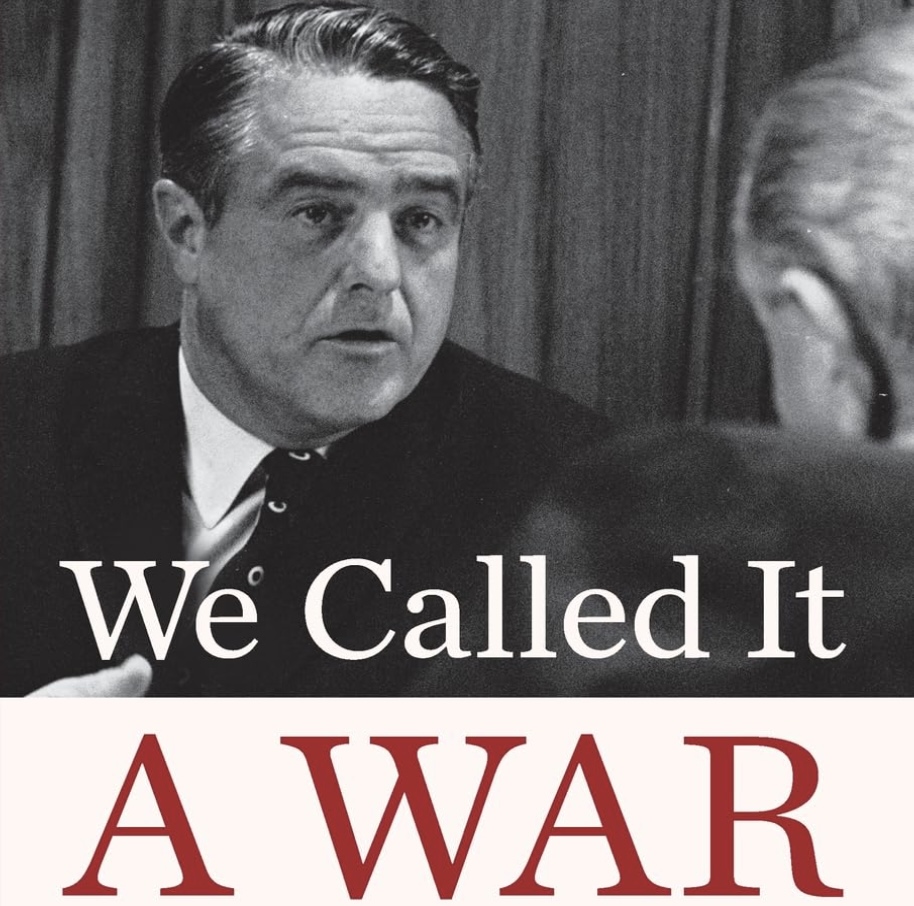
We Called It a War: Lessons Learned from the Fight to End Poverty
Sargent Shriver’s memoir, We Called It a War, provides a detailed account of the 1964-68 War on Poverty.
The narrative illuminates Shriver’s political acumen and details with equanimity his relationships with allies, adversaries, and leading figures—most notably LBJ. The book displays the author’s strong spiritual fidelity with which he appears to approach everything.
His vibrant prose conveys wry observations and revels in the colorful expressions of others. For example, Shriver enjoys rather than rejects an adversary’s term “fuddle factory” to describe the Office of Economic Opportunity, or OEO.
OEO, after all, is a name Shriver mocks with self-deprecation: ““OEO,” which, when pronounced slowly, sounded like the cry of anguish so frequently uttered both by its detractors and supporters.”
Maximum Feasible Participation
Family and friends of Shriver may recall an evening near Christmas, 1966. They’re at his Maryland home, Shriver taking a much-deserved break from his extraordinary dedication to public service. For three years he’s worked seven days a week as a Cabinet-level founding director of two agencies: the Peace Corps and the OEO.
Christmas carols ring out and the company listens a moment, “smiling at this lovely reminder of the season of peace and goodwill.” Soon enough, it becomes clear something else is afoot: “We realized the words were unfamiliar, harsh, mocking.”
Come! all you poor folk.
Soulful and together
Come ye, oh come ye to Shriver’s house
Come and behold him,
Politician’s puppet
Oh come and let us move him
Come and sock it to him
Gathered at his doorstep are some fifty protestors angered by cuts to their anti-poverty efforts. When Shriver steps outside, the protestors encircle him with signs declaiming: “Shriver Go to Hell.”
His reaction encapsulates the entire spirit of We Called It a War. “In so many ways, they were right—morally right in what they demanded. And while I spoke to them, presenting the facts, telling them my hands were tied, feeling their disgust and disbelief, I somehow rejoiced in the fact that they were there.”
Shriver concludes, “This, it seemed to me, was just what we had been trying to do for the past two years. Give the poor a voice, provide them with a place to come in time of trouble, prove to them they could move the very government if they were determined to do so.”
Shriver’s memoir offers lessons on the price of overconfidence in brute power abroad vs pragmatic idealism at home. We’ll need them for the day we finally decide we’ve had enough of America’s widening gap between a billionaire class and everybody else—especially those enduring poverty.
The full review is up at Peace Corps Worldwide.
##


Leave a Reply