Citizenship | Literature
Select novels, short stories, and nonfiction on contemporary life.

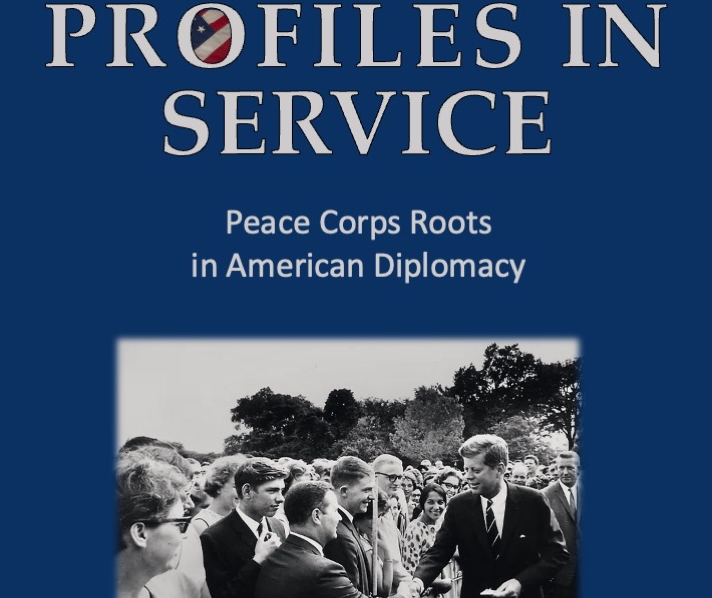
Ben East’s nonfiction debut recounts how JFK’s bold experiment shaped diplomatic careers and influenced modern American diplomacy.

Read, Listen, Watch
-
The start of war against Iran by Israel and the United States requires recognition of others’ service and misery before resuming regularly-scheduled programming on Peace.
-
Sixty-five years ago today, March 1, 1961, President Kennedy signed the Executive Order that created a Peace Corps within the Department of State.
-
I talked extensively about development issues afflicting Honduras. But first I had to develop the reputation for being a true friend of the country and its people. -Ambassador Frank Almaguer
-
You Peace Corps people know so much more about the country than most of our politicians do. -attributed to Honduran President Carlos Roberto Flores
-
Time to head to the Pacific Islands and see what Peace Corps lawyers were up to in Micronesia in 1966.
-
Profiles in Service: Peace Corps Roots in American Diplomacy is now available and I’m reviving the practice of sharing memorable stories from the collection.
-
This episode of SoftPower/FulStories, uncharacteristically in-the-moment, offers two hopeful voices paddling calmly, sanely, purposefully, across our current river of despair. The American dream ain’t dead.
-
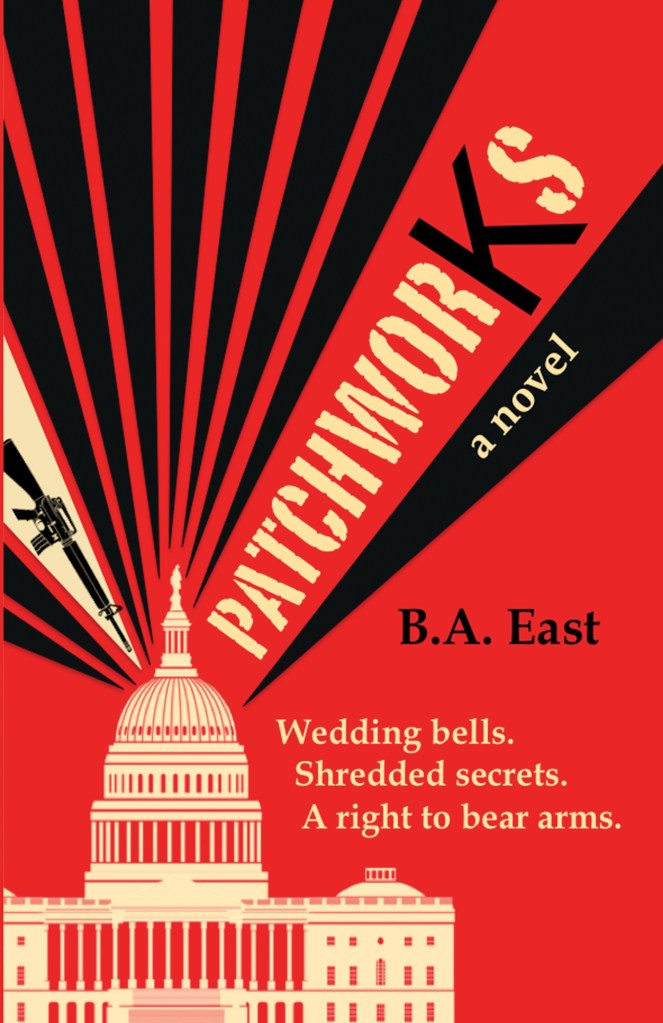
The screenplay will be a pistol report, a gunshot echoing across the naked landscape of America’s mythic past and shattered future. Rebuilt. Enduring.
-
Light progresses stingily now: pm stretches a minute a day from Jan 3-27, the sun’s arrival steady at 7:27 each morning from Jan 1-11.
 Ben East Books