
Reflections on citizenship, democracy, literature, and contemporary American life. Serious book reviews, social satire, and comedy not for everyone.

Ben East’s nonfiction debut recounts how JFK’s bold experiment shaped diplomatic careers and influenced modern American diplomacy.
The figures highlighted here tracked looted antiquities after the invasion of Iraq, re-established diplomacy in Afghanistan after 9/11, and secured village infrastructure while war raged in Vietnam. As hostages in Iran, they maintained diplomatic discipline to bridge a volatile cultural divide. These are individuals of deep courage and conviction, whether integrating a southern U.S. high school or finding comfort in African village beliefs to cope with personal tragedy.
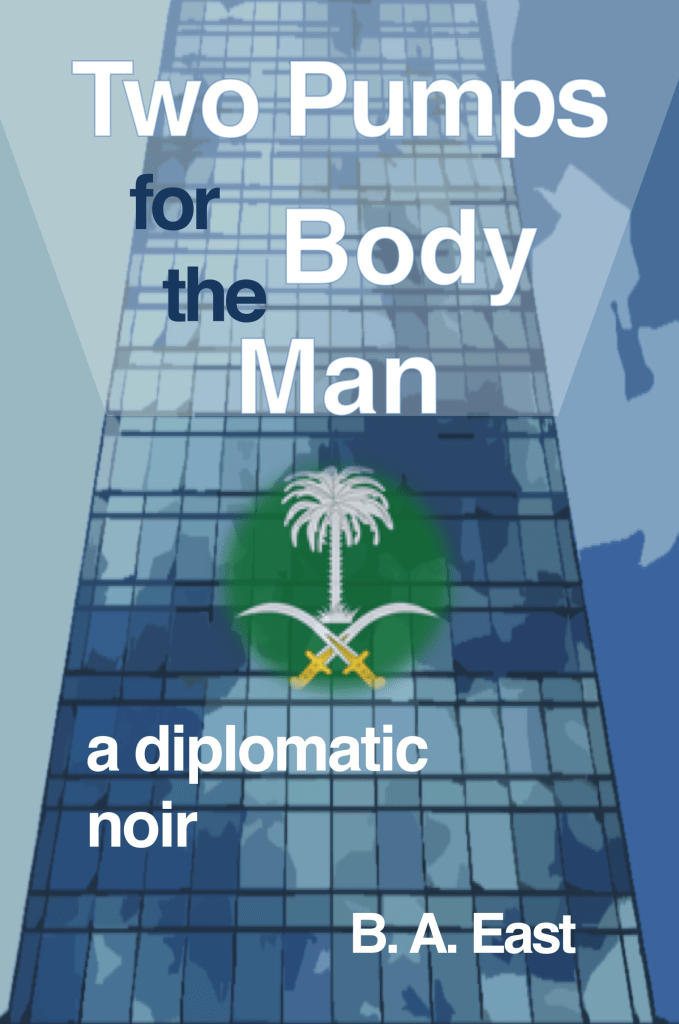
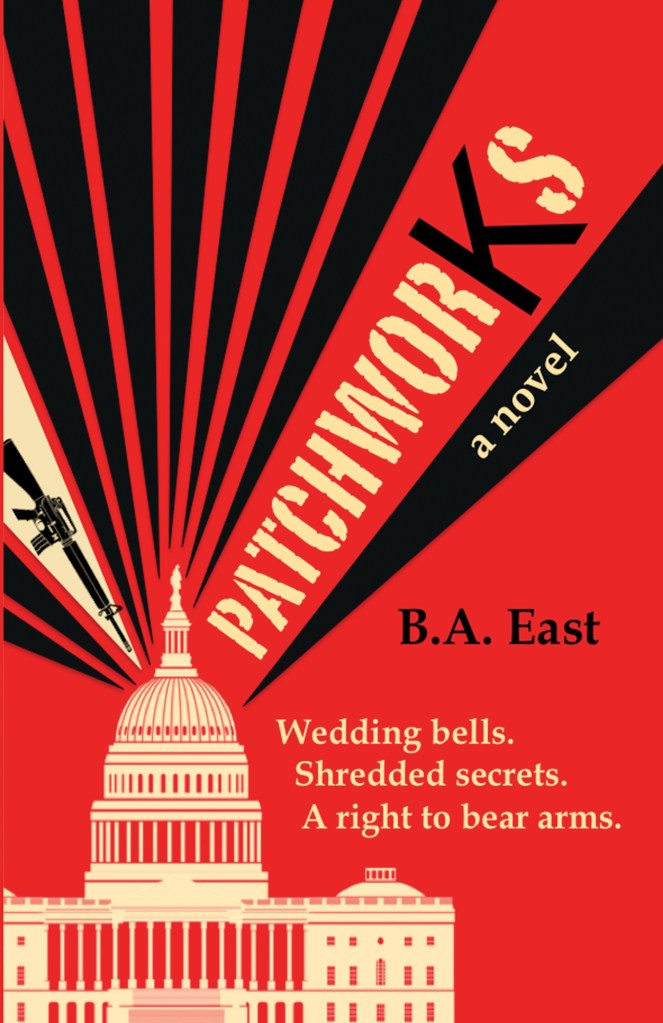
Read, Listen, Watch
-
Will sustained isolation lead to a baby boom or a novel boom? Long before COVID-19, the most recent novel coronavirus to come along, I’d toyed with the idea of writing a novel called A Novel. As is usually the case in the life of a novelist, however, I ran into a few problems right off…
-
On International Women’s Day, I’m thinking about all the phenomenal women I admire around the world, including the nameless, faceless, toiling women who sow and reap the corn they’ll dry and grind into the flour they’ll pound and cook to feed their families in between their hours at the river beating clothes against the stones…
-
Covfefe is the sound of an old man choking on his attempt to say “COVID” While forced isolation has us looking for ways to pass the time at home, I look for something meaningful to read and settle on Poe. The meandering path of my literary pursuit began this morning with Book Fight!, a Podcast…
-
The Google self and the Facebook self, in other words, are pretty different people. There’s a big difference between “you are what you click” and “you are what you share.” The Filter Bubble by Eli Pariser (2009) looks at how personalization on the Internet transforms the Internet itself, creating a different user experience for everyone. Through…
-
The new Internet doesn’t just know you’re a dog; it knows your breed and wants to sell you a bowl of premium kibble. Eli Pariser’s 2009 The Filter Bubble is a call to self-reflection on how we represent ourselves—consciously and unconsciously—in the digital age. “You click on a link, which signals an interest in something,…
-
Russia’s meddling in the 2016 U.S. elections was followed by an endless litany of contorted efforts to pin the hack elsewhere, including on the Democratic National Committee, a 14-year-old hacker, and the Chinese government. Most consistent among the alleged offenders was an unnamed Jersey tuba-lard. “…It could be Russia. And it could be China. And…
-
The FBI needs a warrant from a judge to search your laptop. But if you use Yahoo or Gmail or Hotmail for your e-mail, you ‘lose your constitutional protections immediately…’ Ideas worth re-visiting from Eli Pariser’s 2009 The Filter Bubble. This third installment looks at how governments might abuse Internet personalization. “The FBI needs a…
-
“The dynamics of personalization shift power into the hands of a few major company actors.” The best lines from Eli Pariser’s 2009 The Filter Bubble in ten parts. This is Part II: How do corporations abuse Internet personalization? “If you’re not paying for something, you’re not the customer; you’re the product being sold.” –Andrew Lewis as…
-
You Are What You Click “Personalized filters play to the most compulsive parts of you, creating ‘compulsive media’ to get you to click things more.” Quotes from Eli Pariser’s—The Filter Bubble: How the New Personalized Web Is Changing What We Read and How We Think Perhaps the scariest thing about Pariser’s book is the fact…
 Ben East Books